
US-Iran tensions surge over Strait of Hormuz control
Strategic waterway becomes flashpoint as US-Iran tensions escalate. Learn how Strait of Hormuz disputes threaten regional stability and global trade.
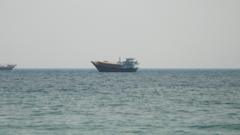
Strait of Hormuz Tensions Rise Between Washington and Tehran
The Strait of Hormuz has emerged as a critical flashpoint in escalating US-Iran tensions, with control over this vital waterway becoming increasingly contentious. As diplomatic efforts to maintain peace falter, both nations continue to position themselves strategically around this narrow passage, which serves as one of the world's most important maritime chokepoints.
The Strategic Importance of the Waterway
This crucial passage connects the Persian Gulf to the Gulf of Oman and the Arabian Sea, serving as a conduit for approximately one-third of all seaborne traded oil globally. The Strait of Hormuz tensions stem largely from its geopolitical significance, as control over this maritime corridor determines access to vital energy resources for nations worldwide. Any disruption to shipping through this waterway could have immediate and severe consequences for international energy markets and global economic stability.
Economic Impact and Global Trade Routes
The economic implications of Strait of Hormuz tensions cannot be overstated. Approximately 21 million barrels of crude oil pass through these waters daily, making it indispensable for energy-dependent nations across Europe, Asia, and beyond. A prolonged confrontation between the US and Iran could disrupt these supply chains, leading to sharp increases in oil prices and widespread economic consequences throughout the international community.
Deteriorating Diplomatic Relations
Recent developments indicate that the ceasefire agreement between the two powers is losing momentum. US-Iran tensions have intensified as both sides display military capabilities and assertive rhetoric in the region. The original diplomatic framework, designed to manage conflicts peacefully, appears increasingly fragile as underlying disputes remain unresolved.
Military Positioning and Showdowns
Both nations have deployed naval assets to demonstrate their commitment to protecting their interests in the region. The US maintains a substantial military presence through Fifth Fleet operations, while Iran has bolstered its maritime capabilities in the Persian Gulf. These opposing military postures heighten the risk of unintended escalation and miscalculation.
Root Causes of Ongoing Disputes
Disagreements over maritime boundaries, shipping security protocols, and sanctions enforcement form the core of current disputes. Strait of Hormuz tensions reflect deeper ideological and strategic differences between the two nations that extend far beyond navigation rights. The inability to reach consensus on these fundamental issues perpetuates instability and undermines efforts to establish sustainable peace mechanisms.
Sanctions and Compliance Issues
Economic sanctions imposed on Iran have created additional friction points. The US maintains a comprehensive sanctions regime aimed at restricting Iran's financial capabilities and economic development. Iranian officials argue these measures violate international law and unfairly target their nation, while US representatives defend them as necessary security measures against what they characterize as destabilizing Iranian activities.
Implications for Regional Stability
The broader Middle Eastern region faces significant uncertainty as US-Iran tensions show no signs of resolution. Other regional actors, including Saudi Arabia, the United Arab Emirates, and European nations with economic interests in the area, monitor developments closely. The instability surrounding the Strait of Hormuz tensions could trigger wider regional conflicts or humanitarian crises.
Concerns Among Neighboring States
Countries throughout the Persian Gulf region worry about potential military escalation. They depend heavily on stable maritime commerce and fear that direct confrontation between superpowers could disrupt their own economic interests and national security. Several nations have called for international mediation and renewed diplomatic engagement to prevent further deterioration.
International Response and Mediation Efforts
Various international actors, including the United Nations and European Union, have attempted to broker negotiations. These intermediaries seek to reduce tensions and establish frameworks for peaceful resolution of maritime disputes. However, success remains uncertain given the fundamental disagreements between both sides regarding regional influence and strategic objectives.
Role of Global Powers
China, Russia, and other international powers maintain interest in regional outcomes. These nations have economic investments in the area and strategic reasons for preventing major disruptions to global trade. Some have quietly supported mediation efforts while others have taken sides, complicating resolution prospects.
Looking Forward: Prospects for Resolution
The path forward remains unclear. Without genuine commitment from both the US and Iran to restore meaningful dialogue, Strait of Hormuz tensions will likely persist. The international community must recognize that solutions imposed unilaterally will not succeed, and that peaceful coexistence in this critical waterway requires mutual respect and compromise from all stakeholders involved in regional affairs.


