
Trump Abandons 20% Strait Tax Plan Amid US Iran Port Embargo
Trump reverses 24-hour tariff proposal on Hormuz cargo. US maintains strategic blockade of Iranian ports in ongoing geopolitical standoff.
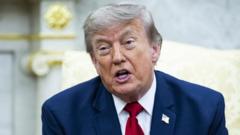
Trump Reverses Course on Hormuz Cargo Tariffs
The Trump administration has rescinded its recently announced intention to impose a 20% tax on vessels transiting the Strait of Hormuz, marking a significant policy reversal just 24 hours after the initial proclamation. The Hormuz strait tariff announcement had generated immediate international backlash from trading partners and maritime stakeholders concerned about the economic implications of such a measure. This sudden reversal reflects the complexities of balancing economic leverage with diplomatic considerations in ongoing US-Iran relations.
Context of the Policy Shift
The abrupt abandonment of the tariff proposal came as the United States maintains its broader strategy to restrict Iranian maritime commerce through sustained port blockades. American naval forces continue their enforcement operations targeting Iranian shipping activities, seeking to diminish Tehran's economic capabilities and influence in the Persian Gulf region. The decision to drop the Hormuz strait tariff suggests internal deliberation within the Trump administration regarding the most effective mechanisms for achieving its strategic objectives without escalating tensions further.
Ongoing US Military Operations
Despite withdrawing the cargo taxation scheme, the United States has not softened its overall approach toward Iran's maritime infrastructure. The blockade of Iranian ports represents a central component of the current administration's containment strategy, designed to limit the nation's ability to conduct international trade and generate revenue. These operations involve coordinated naval presence and enforcement mechanisms that aim to create substantial economic pressure on the Iranian government.
International Reaction and Market Implications
The 24-hour policy cycle surrounding the Hormuz strait tariff proposal illustrated the potential market volatility associated with sudden shifts in US-Iran policy. Global shipping companies and international trading nations expressed concerns about the feasibility and legality of imposing unilateral taxation on international maritime passages. The reversal provided temporary relief to cargo operators reliant on Hormuz route passage, though uncertainty regarding future policy changes persists.
Strategic Considerations Behind the Decision
Analysts suggest that the withdrawal of the tariff proposal may reflect broader strategic calculations regarding sanctions enforcement and economic pressure tactics. The Trump administration appears to have determined that maintaining focus on the existing port blockade represents a more sustainable approach to limiting Iran's maritime capabilities. This choice prioritizes sustained military enforcement over direct cargo taxation mechanisms.
Future Outlook for Iran Sanctions Policy
The episode underscores the unpredictability characterizing current US-Iran relations and maritime policy in the Persian Gulf. While the specific Hormuz strait tariff has been abandoned, the underlying commitment to restricting Iranian shipping through port blockades continues unabated. Observers anticipate that the administration will continue exploring various pressure mechanisms while maintaining its current enforcement posture in critical shipping lanes. The situation remains fluid, with potential for additional policy adjustments as diplomatic and strategic circumstances evolve.


