
Gaza Police Post Hit by Israeli Strike: Seven Deaths Confirmed
An Israeli military strike on a police post in northern Gaza has resulted in seven confirmed deaths, including a senior Hamas police officer, amid ongoing tensions.
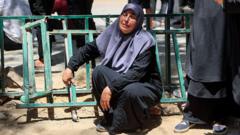
Deadly Strike Impacts Northern Gaza Security Infrastructure
A significant Israeli strike on Gaza police post has resulted in the deaths of seven individuals, according to officials familiar with the incident. The military operation targeted what Israeli defense authorities described as positions associated with militant activities, though the strike's impact on civilian infrastructure has raised concerns among humanitarian organizations monitoring the region.
Among the casualties was a high-ranking official from the Hamas-administered police force, representatives confirmed. The identification of this senior officer underscores the operation's focus on Gaza's security apparatus, which has been a recurring target in regional military engagements.
Israeli Military Justification and Operational Context
Israel's military command released statements characterizing the strike as a necessary action against what they termed "terrorists" operating within the Gaza territory. This terminology reflects the broader security narrative presented by Israeli officials when justifying operations within Palestinian-controlled areas.
The Israeli strike on Gaza police post occurred as part of broader security operations in the region. Military analysts note that such operations typically target infrastructure believed to house or support armed organizations, though civilian casualties and collateral damage remain persistent concerns for international observers.
Impact on Gaza's Civil Authority
The police force in Gaza, administered by Hamas, serves as both a law enforcement agency and a security institution. The loss of a senior officer represents a significant blow to the organizational structure of this force. Such strikes on police infrastructure complicate efforts to maintain civil order and emergency response capabilities within the territory.
Officials reported that the Israeli strike on Gaza police post affected operational capacity, as multiple personnel were lost simultaneously. The incident demonstrates the vulnerability of Gaza's security institutions to military operations originating from neighboring Israeli territories.
Regional Security Implications
This operation reflects the ongoing cycle of military engagements between Israeli forces and Gaza-based organizations. The targeting of police infrastructure represents a strategic approach to degrading what Israeli authorities view as security threats emanating from the Palestinian enclave.
The deaths resulting from this Israeli strike on Gaza police post add to casualty figures that have accumulated throughout the broader conflict. International humanitarian organizations continue documenting such incidents as part of their monitoring of the humanitarian situation in Gaza.
Official Responses and Documentation
Gaza health authorities and local officials documented the casualties from the Israeli strike on Gaza police post, providing confirmation of the deaths to international media outlets. These official counts form part of the broader record of military operations affecting civilian and security personnel in the region.
Senior officers within Gaza's police structure have become increasingly prominent in casualty reports from military strikes, suggesting that Israeli operations specifically target command-level positions within the organization. This tactical focus aims to disrupt operational capabilities and decision-making structures.
Context of Ongoing Operations
The incident occurred within the context of broader military operations affecting Gaza. Strikes on police infrastructure, military facilities, and suspected militant positions represent components of Israel's security strategy regarding the territory and organizations operating within it.
An Israeli strike on Gaza police post of this scale generates significant attention from international media, diplomatic observers, and humanitarian monitoring organizations. The casualty count and targeting of infrastructure contribute to assessments of the operational intensity and scope of military engagements in the region.


