
Twin Earthquakes Leave Venezuelan Communities Scrambling for Survival
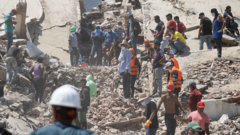
Devastating earthquakes shake Venezuela as residents use makeshift tools to rescue survivors from collapsed structures in affected regions.
Twin Earthquakes Leave Venezuelan Communities Scrambling for Survival
The twin earthquakes that struck Venezuela have created a humanitarian crisis as communities across affected regions find themselves without adequate support systems. Venezuelan residents in devastated areas are taking matters into their own hands, using whatever tools and resources available to locate and extract survivors trapped beneath rubble and debris.
Rescue Efforts in Devastated Regions
In communities hardest hit by the seismic activity, rescue operations have taken on a grassroots character. Citizens are employing crowbars, pickaxes, shovels, and their bare hands to dig through collapsed buildings and structures. The absence of organized emergency response teams has forced locals to become improvisational rescuers, working through the night to find family members, friends, and neighbors.
The Venezuelan earthquakes have overwhelmed local emergency services, which lack the necessary equipment and personnel to respond to the scale of destruction. In some areas, recovery teams consist entirely of untrained volunteers who learned rescue techniques from experienced survivors of previous disasters or through trial and error during the current crisis.
Challenges Facing Survivors
Beyond immediate rescue efforts, survivors face mounting challenges as days pass without adequate food, clean water, or medical attention. The twin earthquakes have damaged water treatment facilities and disrupted supply chains, leaving many communities without basic necessities. Healthcare facilities in affected regions have been partially destroyed, forcing patients with injuries to travel long distances for treatment.
The psychological toll of the twin earthquakes weighs heavily on residents. Many Venezuelans have lost their homes, belongings, and in some cases, family members. The lack of government coordination in relief efforts has deepened frustration among survivors who feel abandoned during their greatest hour of need.
Government Response and Relief Coordination
Authorities have announced plans to mobilize resources, though implementation remains slow. Communication between central government agencies and local communities has proven inadequate, with conflicting information about which areas will receive aid first. International organizations have offered assistance, but bureaucratic delays have hindered the delivery of emergency supplies to Venezuelan earthquake victims.
Local officials are attempting to establish temporary shelters in schools, sports facilities, and community centers. However, these makeshift accommodations lack proper sanitation facilities, and disease prevention remains a serious concern as hundreds of people crowd into limited spaces.
Community Resilience Amid Crisis
Despite overwhelming challenges, communities affected by the twin earthquakes are demonstrating remarkable resilience. Neighbors are sharing whatever food they have, offering shelter to the displaced, and organizing informal search and rescue parties. Stories of heroic rescues performed by ordinary citizens have emerged from the devastated regions, inspiring hope amid widespread despair.
Small businesses and local organizations are attempting to contribute to relief efforts. Market vendors are donating food, hardware stores are providing tools, and local transportation services are offering free rides to people seeking medical care. These community-driven initiatives, while insufficient to address the full scope of need, represent the determination of Venezuelan citizens to support one another.
Long-term Recovery Prospects
The path to recovery from the twin earthquakes will be lengthy and challenging. Structural engineers report that many buildings cannot be safely repaired and will require demolition and reconstruction. The financial burden of rebuilding falls disproportionately on residents already struggling economically.
International aid organizations are calling for sustained commitment to Venezuelan earthquake recovery. They warn that without coordinated long-term assistance, the affected regions could experience secondary humanitarian crises as disease outbreaks and malnutrition become prevalent among survivors forced to live in temporary conditions for extended periods.


