
Romania Closes Nuclear Power Plant Amid Danube River Crisis
Romania shuts its sole nuclear power plant due to extreme heat and critically low Danube River levels affecting cooling operations and energy production.
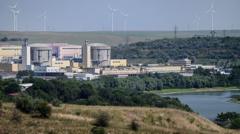
Romania's Only Nuclear Facility Forced to Suspend Operations
Romania has been forced to shut down its only nuclear power plant as extreme temperatures and unprecedented drought conditions have severely impacted water availability in the Danube River. The Cernavodă nuclear power plant, a critical infrastructure asset responsible for generating approximately 20% of the nation's electricity supply, has halted operations due to insufficient water levels required for the facility's essential cooling systems.
The decision to close this nuclear power plant reflects the escalating environmental challenges facing Eastern Europe during this period of intense heat. As global temperatures continue to rise, water scarcity has emerged as a critical threat to the reliability of hydroelectric and nuclear energy facilities across the continent.
Impact on Romania's Energy Infrastructure
The suspension of the nuclear power plant represents a significant challenge for Romania's energy security. With the Cernavodă facility offline, the nation must rely increasingly on alternative power generation sources to meet domestic demand. The facility's 20% contribution to the country's total electricity generation underscores the magnitude of this operational disruption.
Energy authorities have indicated that the nuclear power plant is not anticipated to resume normal operations for at least the next 10 days. This timeline may extend further depending on precipitation patterns and the extent to which Danube River water levels recover in the coming weeks.
Understanding the Danube River Crisis
The Danube River, Europe's second-longest waterway, serves as a vital resource for numerous nations and industries. In Romania, the river's water levels are essential for maintaining operational efficiency at the Cernavodă nuclear power plant. The extreme heat wave currently affecting the region has accelerated evaporation rates and reduced natural water replenishment, creating conditions that have depleted river levels to dangerous lows.
This phenomenon is not isolated to Romania. The exceptionally warm temperatures across Central and Eastern Europe have triggered similar challenges at power generation facilities throughout the region, raising concerns about continental energy stability.
The Broader Climate Change Context
The closure of Romania's nuclear power plant serves as another visible indicator of climate change's tangible impact on critical infrastructure. As global warming intensifies extreme weather patterns, including prolonged heat waves and droughts, energy systems face unprecedented operational constraints.
The nuclear power plant incident highlights vulnerabilities in Europe's energy transition strategy. While nuclear energy has long been promoted as a clean, reliable alternative to fossil fuels, the sector is increasingly vulnerable to environmental stressors linked to changing climate conditions.
What Happens Next
Romanian authorities and energy sector operators are closely monitoring atmospheric conditions and Danube River developments. The timeline for restarting the nuclear power plant depends heavily on rainfall and cooler weather patterns that could restore water levels to operational thresholds.
Meanwhile, Romania has activated contingency measures to compensate for the lost nuclear capacity, drawing on alternative energy sources and potentially increasing reliance on imported electricity. This temporary measure addresses immediate demand while stakeholders await conditions favorable for restarting the Cernavodă facility.
The ongoing suspension of the nuclear power plant underscores growing concerns about climate resilience in Europe's energy sector and the urgent need for infrastructure adaptations to accommodate increasingly variable environmental conditions.


