Rapid Brain Tumour Test Slashes Diagnosis Time from Weeks to Hours
Revolutionary brain tumour diagnostic test reduces diagnosis time to just two hours during surgery. NHS England pilots groundbreaking technology across five centres.
Revolutionary Brain Tumour Test Transforms Patient Care
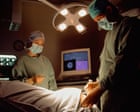
A groundbreaking brain tumour test is revolutionizing how clinicians diagnose malignant growths, compressing what previously took eight weeks into a mere two-hour procedure. This innovative brain tumour test represents a significant advancement in neurosurgical practice, enabling surgeons to obtain critical diagnostic information while patients remain under anaesthesia on the operating table.
NHS England has embraced this transformative technology and is currently conducting pilot programmes across five medical centres throughout the country. The rapid results capability allows surgical teams to make informed decisions about treatment strategies without delay, fundamentally changing the patient experience during one of the most critical moments in their medical journey.
How the Brain Tumour Test Works
The sophisticated brain tumour test operates through advanced intraoperative diagnostics, processing tissue samples extracted during surgery with remarkable speed and precision. Medical professionals describe the methodology as a paradigm shift in neuro-oncology, particularly for patients whose clinical condition demands swift intervention.
By analysing cellular characteristics and molecular markers in real-time, the test provides surgeons with essential information about tumour classification, grading, and genetic profiles. This instantaneous feedback mechanism empowers surgical teams to adapt their approach during the procedure itself, potentially maximizing tumour removal while preserving vital neural tissue.
Clinical Impact and Patient Benefits
Scientists and medical experts have characterized this brain tumour test as genuinely gamechanging for individuals facing aggressive malignancies. Patients diagnosed with high-grade tumours "do not have time on their side," making rapid diagnostic confirmation absolutely critical for commencing appropriate treatment protocols.
The condensed timeline eliminates the agonizing waiting period that traditionally followed surgery. Previously, patients and families endured weeks of uncertainty before receiving definitive pathology results. Now, surgeons can often communicate preliminary findings within hours, allowing comprehensive treatment plans—including radiotherapy and chemotherapy—to commence almost immediately.
This accelerated diagnostic capability proves particularly beneficial for younger patients and those with aggressive tumour variants where early intervention significantly influences survival rates and long-term prognosis. The psychological impact of reduced diagnostic delays cannot be overstated, as it diminishes patient anxiety during a profoundly stressful period.
Pilot Programme Implementation
NHS England's five-centre pilot initiative systematically evaluates the brain tumour test's performance, reliability, and practical integration within existing surgical workflows. These designated facilities represent diverse healthcare settings, ensuring comprehensive assessment across different patient populations and clinical contexts.
The pilot phase involves rigorous data collection, outcome monitoring, and healthcare professional training to ensure consistent application and interpretation of results. By gathering evidence from multiple centres, NHS England accumulates the statistical foundation necessary for potential national rollout decisions and policy recommendations.
Broader Implications for Neurosurgery
The brain tumour test exemplifies how technological advancement can fundamentally reshape clinical practice patterns and patient outcomes. Beyond the immediate diagnostic benefits, this innovation demonstrates healthcare's capacity to leverage cutting-edge science for practical benefit in operating theatre environments.
Medical institutions worldwide are monitoring the NHS pilot results with considerable interest. If outcomes validate current projections, similar intraoperative diagnostic systems could emerge across multiple cancer types, transforming how surgeons approach tissue diagnosis across various specialties.
Future Outlook
As the five-centre pilot progresses, scientists anticipate expanding the brain tumour test's capabilities and refining its technical parameters. Ongoing research explores enhanced molecular profiling, improved tumour classification accuracy, and integration with advanced imaging technologies.
NHS England's commitment to piloting this brain tumour test signals confidence in the technology's potential to meaningfully improve care pathways for neurosurgical patients. Successful pilot outcomes could expedite implementation discussions and resource allocation considerations for broader healthcare system adoption.
This revolutionary approach to brain tumour diagnosis underscores modern medicine's potential to dramatically compress timelines that previously constrained clinical decision-making, ultimately delivering superior outcomes for vulnerable patient populations facing life-threatening conditions.