Gaza Crisis: 70,000 Tents Destroyed in Historic Flooding
Severe flooding devastates Gaza displacement camps, destroying 70,000 tents. Civil defense declares maximum emergency as families face winter hardship. International aid urgently needed.
Catastrophic Flooding Strikes Gaza Displacement Camps
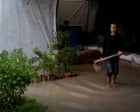
A devastating rainstorm has swept through Gaza, triggering an unprecedented humanitarian crisis affecting displaced families living in temporary shelters. The Gaza flooding crisis has reached critical levels, with authorities reporting approximately 70,000 tents completely destroyed or rendered uninhabitable by floodwaters. On Saturday, Gaza's civil defence authorities officially declared a state of maximum emergency in response to the disaster, mobilizing rescue teams and coordinating international assistance efforts.
The scale of destruction represents one of the most significant weather-related catastrophes to impact the region's vulnerable population. Displaced families, already enduring harsh conditions in overcrowded camps following military operations, now confront additional suffering as floodwaters compromise their basic shelter and essential belongings.
Impact on Vulnerable Populations During Winter Season
The timing of this Gaza flooding crisis could not be worse for the displaced population. These families are preparing for their third consecutive winter in temporary accommodation after Israel's military assault on Gaza. Winter conditions, combined with damaged tents and destroyed supplies, create life-threatening circumstances for vulnerable groups including children, elderly persons, and those with existing medical conditions.
Living conditions in displacement camps were already precarious before the storm. Limited access to clean water, sanitation facilities, and healthcare services has characterized the camps throughout the ongoing humanitarian emergency. The flooding has exponentially worsened these challenges, introducing additional health hazards including waterborne diseases and contamination of drinking water sources.
Overwhelmed Rescue and Emergency Services
Gaza's civil defence teams and emergency responders have been stretched to their limits managing the crisis response. The sudden influx of distress calls and rescue requests has overwhelmed available resources and personnel. Rescue operations continue around the clock, though progress remains hampered by limited equipment and difficult terrain conditions created by accumulated water and mud.
Displaced families are reporting harrowing accounts of losing personal possessions, medication, and documentation during the flooding. In several locations, entire family groups required emergency extraction from flooded shelters, with some individuals suffering injuries during rescue operations.
Urgent Call for International Humanitarian Assistance
Gaza's civil defence authorities have issued an urgent appeal to the international community, specifically requesting pressure on Israel to facilitate the entry of specialized rescue and emergency equipment. The authorities emphasize that current domestic resources prove insufficient to address the scale of devastation and ongoing humanitarian needs.
Critical items required for emergency response include rescue vehicles equipped for water operations, high-capacity pumping equipment, and specialized machinery for clearing debris. Beyond immediate rescue operations, the authorities stress an acute shortage of replacement tents, waterproof plastic sheeting, and mobile shelter units to provide emergency housing for displaced families.
Long-Term Shelter and Recovery Challenges
The destruction of 70,000 tents represents not merely a temporary inconvenience but a catastrophic loss affecting tens of thousands of individuals. Replacement shelter cannot be quickly procured or distributed given supply chain disruptions and border restrictions affecting humanitarian goods entering Gaza.
Experts warn that the Gaza flooding crisis will have long-lasting consequences for displaced populations. Beyond immediate physical injuries and material losses, mental health impacts, increased disease transmission risk, and nutritional challenges will persist throughout the winter months. Children living in flooded camps face heightened vulnerability to respiratory infections, waterborne illnesses, and psychological trauma from the disaster experience.
Systemic Vulnerabilities Exposed by Natural Disaster
The flooding incident has highlighted systemic vulnerabilities within displacement camp infrastructure and preparedness. Tents, designed as temporary structures providing minimal weather protection, prove inadequate for populations enduring extended displacement periods. The Gaza flooding crisis underscores the necessity for more durable, weather-resistant shelter solutions capable of withstanding seasonal weather variations.
Camp planning and drainage infrastructure, constructed hastily to accommodate sudden population movements, lacks adequate capacity to manage heavy rainfall events. As climate patterns continue shifting and extreme weather becomes increasingly common, such vulnerabilities demand immediate attention from humanitarian organizations and international authorities.
International Response and Coordination Efforts
The United Nations and various humanitarian organizations have mobilized response teams to assess damage and coordinate relief efforts. Preliminary damage assessments indicate the Gaza flooding crisis extends beyond shelter destruction to encompass damaged medical facilities, contaminated food supplies, and compromised sanitation infrastructure throughout multiple camp locations.
Coordination between multiple response organizations remains challenging given existing restrictions on movement and resource availability. Nevertheless, humanitarian agencies continue prioritizing rapid assessment, emergency medical care, and shelter stabilization efforts to prevent further deterioration of conditions.