1 in 2: Bowel Cancer Documentary Challenges Young Diagnosis
David Wilkinson's documentary explores rising bowel cancer cases in young adults. A personal journey through treatment examining lifestyle and dietary factors.
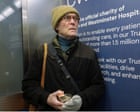
A Director's Personal Battle with Bowel Cancer
The documentary 1 in 2 presents a compelling and intimate portrait of filmmaker David Wilkinson's confrontation with stage four bowel cancer, a condition he battled while creating his acclaimed film about the Parthenon marbles. This groundbreaking work represents far more than a medical narrative; it becomes a powerful testimony to resilience and an urgent call for understanding why bowel cancer diagnosis rates have shifted dramatically across younger demographics.
Wilkinson's reflection—"I am lucky, as I have become old"—encapsulates the film's central concern. Unlike previous generations where bowel cancer predominantly affected elderly populations, contemporary data reveals an alarming trend: increasingly, patients in their twenties, thirties, and forties receive this devastating diagnosis. The 1 in 2 documentary transforms this statistical reality into human stories, placing both patients and healthcare providers at the narrative's heart.
Why Bowel Cancer Strikes Younger Generations
The escalating incidence of bowel cancer among younger adults in developed nations raises critical questions about modern existence. Wilkinson methodically investigates potential culprits beyond traditional risk factors. Current research points toward dietary choices and lifestyle habits accumulated throughout modern life. The consumption patterns of processed foods, reduced physical activity, and altered nutritional intake create an environment conducive to cellular abnormalities.
Emerging concerns about environmental contaminants, including microplastics infiltrating food chains and water supplies, warrant serious scientific examination. These microscopic particles, present in everyday products and natural systems, represent a relatively unexplored frontier in cancer etiology. While definitive causation remains elusive, their presence in human tissues raises unsettling questions about long-term health implications.
Voices from Hospital Corridors and Online Communities
The strength of 1 in 2 lies in its commitment to amplifying silenced voices. Wilkinson encounters numerous young patients within NHS waiting areas and digital support groups—individuals whose experiences of bowel cancer diagnosis starkly contrast with traditional age-related expectations. These encounters shift the documentary from personal memoir to collective investigation, creating space for affected individuals to articulate their journeys, fears, and adaptations.
Medical professionals featured throughout the film demonstrate dedication to treating younger populations with complex needs. The NHS specialists confront not only biological challenges but psychological dimensions unique to diagnosis during life's productive years. Career disruptions, family planning uncertainties, and social isolation compound medical treatment's physical demands.
Documentary as Medical Advocacy
Wilkinson's previous work on cultural restitution established his reputation for thoughtful, eloquent examination of complex subjects. This experience translates powerfully into healthcare documentary. Rather than sensationalizing or oversimplifying, the filmmaker maintains editorial nuance while demanding accountability from systems responsible for population health.
The 1 in 2 documentary refuses simplistic explanations. It acknowledges that no singular factor explains the bowel cancer epidemic among younger adults. Instead, it presents multifactorial analysis: industrial food systems, sedentary lifestyles, environmental pollution, genetic predispositions, and behavioral choices converge to create heightened disease risk. This complexity mirrors actual scientific understanding, refusing the comfort of single-cause narratives.
Personal Testimony as Public Health Tool
Wilkinson's decision to position himself within the documentary's narrative represents significant vulnerability. His candid conversations throughout active treatment provide authentic perspective unavailable through third-person observation. Viewers witness not theoretical patient experiences but immediate, visceral realities of diagnosis, treatment protocols, and psychological adaptation.
This approach transforms 1 in 2 beyond entertainment into educational resource. Young audiences recognizing bowel cancer symptoms gain accessible information about screening procedures and medical intervention. Family members of affected individuals find representation and validation of their caregiving experiences. Healthcare workers observe patient perspectives that might inform their professional practice.
The Broader Question: Prevention and Awareness
Perhaps the documentary's most important contribution involves prevention consciousness-raising. Understanding that bowel cancer increasingly affects younger populations should prompt individual and societal responses. Dietary modifications, physical activity increases, and environmental advocacy become health imperatives rather than lifestyle preferences.
Screening protocols may require recalibration when historical age-related assumptions no longer align with epidemiological reality. Early detection through awareness and accessible testing could dramatically alter outcomes for younger patients who often present with advanced disease due to delayed diagnosis.
The 1 in 2 documentary ultimately transcends filmmaker biography. It documents a pivotal moment when established disease patterns dissolve, demographic expectations collapse, and urgent questions demand answers. Wilkinson's generosity in sharing his treatment journey while investigating systemic factors creates both personal testimony and public health intervention.