Inquest reveals safety gaps in London flat where autistic boy fell
Inquest into five-year-old Aalim Ahmed's death from 15th-floor window reveals insufficient safety measures at London residential block where family requested relocation.
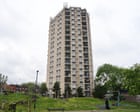
Tragic incident highlights inadequate safety measures
An inquest into the death of a five-year-old boy has revealed concerning gaps in safety protocols at a London residential property. The investigation centered on the circumstances surrounding the fatal incident and whether additional safeguards could have prevented the tragedy from occurring at the tower block where the young child's family resided.
Aalim Ahmed, a five-year-old with autism, fell from a 15th-floor kitchen window at a residential block located in Plaistow, east London. The incident occurred early in the morning on 16 May 2024, prompting an immediate emergency response and subsequent investigation into the conditions at the property.
Family's prior concerns about the accommodation
According to testimony presented during proceedings, Aalim's father, Makail Ahmed, had previously expressed concerns about the temporary social housing arrangement and requested relocation to alternative accommodation. The family's documented dissatisfaction with the flat appears to have been overlooked by relevant authorities responsible for managing the property and ensuring occupant welfare.
The court heard evidence suggesting that the accommodation fell short of contemporary safety standards. Expert witnesses and housing officials acknowledged during the inquest that supplementary protective measures could have been implemented to reduce the risk of accidents involving young children, particularly those with special needs requiring enhanced supervision and environmental controls.
Insufficient protective barriers identified
One of the key findings emerging from the inquest involved the absence or inadequacy of window safety mechanisms. The 15th-floor kitchen window from which the child fell lacked appropriate protective equipment that might have prevented access or limited the opening to a safe degree. Such barriers are standard practice in residential properties housing vulnerable occupants, particularly children with developmental conditions affecting judgment and awareness of danger.
Housing inspectors and building safety experts confirmed that modern safety standards recommend multiple layers of protection in high-rise residential units, particularly those occupied by families with young children. These may include window restrictors, safety locks, and protective grilles designed to prevent accidental falls while maintaining fire safety compliance.
Questions regarding duty of care
The inquest examined whether the local authority and housing providers met their legal obligations toward the residents. Testimony revealed that despite the family's documented requests for alternative housing, no urgent action was taken to address their concerns about the suitability of the temporary accommodation. This raised questions about the adequacy of housing assessment procedures and the responsiveness of authorities to families flagging safety concerns.
Social services and housing officers provided statements outlining standard procedures for evaluating housing requests and processing transfers. However, the timeline presented to the court suggested potential delays and bureaucratic processes that may have contributed to the family remaining in an unsuitable environment longer than necessary.
Broader implications for residential safety standards
The case has drawn attention to wider issues affecting temporary housing provision and safety compliance across London's social housing stock. Advocacy groups representing families in temporary accommodation have long raised concerns about the variable standards of properties available through such schemes, with some units falling below acceptable safety thresholds.
Housing experts appearing at the inquest emphasized that children with autism and other developmental conditions require particular consideration when assessing housing suitability. Environmental factors including window accessibility, proximity to hazards, and ease of supervision directly impact safety for these vulnerable populations. The absence of specialized protocols for assessing such requirements represents a significant oversight in current housing allocation practices.
Recommendations and future measures
Following the presentation of evidence, the inquest jury considered what measures might prevent similar tragedies in future. Recommendations centered on mandatory safety assessments for properties housing families with children under specific age ranges, enhanced window safety standards in high-rise residential blocks, and improved procedures for processing housing relocation requests when safety concerns are documented.
Housing authorities have been urged to implement comprehensive safety audits of temporary accommodation stock, with particular emphasis on identifying and rectifying window safety deficiencies. Additionally, training programs for housing officers should incorporate guidance on recognizing environmental risks affecting vulnerable household members, including children with developmental disabilities requiring enhanced supervision.
Supporting bereaved families
The inquest proceedings have brought the Ahmed family's profound loss into focus, highlighting the human impact of systemic failures in housing safety and responsiveness. The family's earlier requests for assistance and relocation underscore how timely intervention and adequate support might have altered the outcome of this tragic incident.