US Measles Elimination Status Lost Amid 2024 Outbreak Crisis
The US loses measles elimination status after 26 years as outbreak cases surge past 5,400. Latest health crisis update and impact analysis.
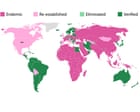
US Measles Elimination Status Revoked Amid Resurgence
The United States has officially lost its measles elimination status, marking a significant public health setback that authorities worldwide are closely monitoring. This measles elimination status loss represents the first time in nearly three decades that the nation has failed to maintain protection against this highly contagious infectious disease. Global health organizations have confirmed the status change, signaling that measles is now actively spreading within the American population on a continuous basis.
The measles outbreak currently affecting the country has reached unprecedented levels, with more than 5,400 confirmed cases reported in the present outbreak cycle. This represents the most severe measles resurgence the nation has experienced since 1991, when surveillance data revealed comparable disease spread patterns. The magnitude of this outbreak underscores the declining vaccination rates and immunization gaps that have emerged across various communities throughout the United States.
Understanding Measles Elimination Status and Its Loss
For twenty-six consecutive years, the United States maintained official measles elimination status, a distinction earned through sustained vaccination campaigns and rigorous disease surveillance protocols. This status meant that the disease was no longer considered endemic within the country's borders, though imported cases could occasionally occur. The loss of this hard-won status reflects fundamental changes in vaccination compliance and population immunity levels across American society.
Health authorities define measles elimination status as the absence of continuous disease transmission within a geographic region for twelve consecutive months or longer. The recent outbreak has effectively shattered this criterion, demonstrating sustained chain transmission of the virus across multiple states and demographic groups. This distinction carries significant implications for public health policy, resource allocation, and international disease monitoring frameworks.
Current Outbreak Statistics and Geographic Spread
The measles outbreak encompasses multiple states, with cases distributed across various urban and rural communities. The five-thousand-plus case count reflects confirmed laboratory-positive patients and represents a substantial burden on healthcare systems nationwide. Eight deaths have been attributed to measles complications, highlighting the serious consequences of disease progression in vulnerable populations.
Age distribution data reveals that unvaccinated and under-vaccinated children comprise the majority of cases, though outbreak-related infections have also affected adult populations. Healthcare providers across affected regions report increasing strain on diagnostic resources and isolation capacity as case numbers continue climbing. The geographic spread indicates that disease transmission is no longer confined to isolated clusters but represents widespread community circulation.
Vaccination Rate Decline and Root Causes
Experts attribute the measles resurgence to declining vaccination rates across specific communities and nationwide vaccination hesitancy trends. Misinformation regarding vaccine safety has influenced parental decision-making in various demographic segments. Additionally, reduced vaccination compliance following pandemic-related disruptions to routine immunization schedules has created population immunity gaps that measles virus readily exploits.
Religious exemptions and philosophical objections to vaccination have increased in certain areas, further compromising community immunity thresholds. The measles virus requires exceptionally high population vaccination rates—approximately ninety-five percent—to prevent sustained transmission. When vaccination coverage falls below this critical threshold, rapid outbreak progression becomes inevitable.
Public Health Response and Policy Implications
Federal health agencies have mobilized response resources to contain the outbreak and implement targeted vaccination campaigns. Emergency declarations in affected states facilitate rapid vaccine distribution and expedited case investigation protocols. Public health officials continue emphasizing vaccination as the most effective measles prevention strategy available.
The loss of measles elimination status carries significant policy consequences, including increased surveillance requirements and updated disease reporting standards. International health organizations may implement stricter travel recommendations for citizens from the United States. The status change also necessitates enhanced coordination between state and federal health departments to implement coordinated response strategies.
Looking Forward: Recovery and Prevention
Reversing the measles elimination status loss requires sustained vaccination efforts and rebuilding population immunity. Health authorities have outlined aggressive immunization targets aimed at achieving ninety-five percent vaccination coverage across all age groups. Community education initiatives address vaccine hesitancy through evidence-based information distribution.
The measles outbreak serves as a stark reminder of infectious disease risks when vaccination compliance declines. Prevention through vaccination remains far superior to treating measles infections and managing complications. Public health experts stress that reestablishing measles elimination status is achievable through renewed commitment to immunization programs and evidence-based health communication strategies.