US Measles Elimination Status Lost Amid Outbreak
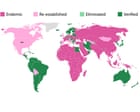
The US has lost its measles elimination status after 26 years, marking a major public health setback with over 5,400 cases reported in 2026.

US Measles Elimination Status Revoked
Federal health officials confirmed on Tuesday that the United States has forfeited its measles elimination status, a significant milestone that had been maintained for more than two decades. The loss of this critical designation marks a turning point in the nation's measles elimination status, acknowledging that the highly contagious viral infection has become endemic once again within US borders. This reversal represents one of the most consequential developments in American public health in recent years.
Historic Outbreak Numbers
The current health crisis has brought measles back to prominence as the worst outbreak affecting the country since 1991. Throughout 2026, medical authorities have documented over 5,400 confirmed cases nationwide, coupled with eight documented deaths attributed to the disease. These figures underscore the severity of the situation and demonstrate how rapidly measles transmission has escalated across different communities and demographic groups throughout the nation.
Timeline of Elimination and Re-emergence
The United States originally achieved measles elimination status in 2000, following decades of successful vaccination campaigns and public health initiatives. For 26 consecutive years, the nation maintained this hard-won achievement, serving as a model for disease control internationally. However, declining vaccination rates and shifting public health policies have contributed to the resurgence of this preventable disease. The erosion of immunization coverage in various communities created conditions favorable for the virus to spread unchecked.
Contributing Factors to the Outbreak
Multiple elements have converged to create the perfect environment for measles transmission. Vaccination hesitancy has grown in certain populations, while changes in public health leadership and direction have affected disease prevention strategies. Healthcare experts point to reduced immunization rates, particularly among young children, as a primary driver of the outbreak. Additionally, international travel and importation of cases from regions where measles remains common have facilitated the virus's spread within vulnerable, under-vaccinated communities across America.
Public Health Implications
The loss of measles elimination status carries profound implications for the American healthcare system and public safety. Health institutions must now allocate significant resources toward outbreak response, case management, and vaccination campaigns to control transmission. Schools have implemented enhanced screening protocols, while healthcare providers have adjusted their diagnostic and treatment procedures. The ramifications extend beyond medical care, affecting economic productivity, school attendance, and community confidence in public health institutions.
International Ramifications
Beyond domestic concerns, the reversal of measles elimination status affects America's standing in global health initiatives. The country can no longer claim endemic elimination status, a designation that influences international health policies and trade agreements. Other nations have increased scrutiny of American health standards, and international health organizations have issued guidance regarding travel to the US. This development impacts not only measles control but also broader perceptions of American public health competency.
Vaccination Response Initiatives
Federal and state health departments have launched comprehensive vaccination campaigns to combat the ongoing outbreak. Mobile clinics and community health centers have expanded access to measles vaccines across affected regions. Healthcare providers are intensifying efforts to reach previously unvaccinated or under-vaccinated populations, particularly focusing on infants, vulnerable children, and immunocompromised individuals. Despite these measures, controlling transmission remains challenging given the current epidemiological landscape.
Looking Forward
Restoring measles elimination status will require sustained commitment to vaccination programs and public health infrastructure. Health officials emphasize that reversing this trend demands increased funding, community engagement, and clear communication about vaccine safety and efficacy. The path to reclaiming elimination status may require years of coordinated effort across federal, state, and local authorities. This setback serves as a reminder of how quickly advances in public health can be reversed without consistent investment and societal commitment to preventive medicine.