Unnecessary Breast Removals at NHS Trust: 20 Women Affected
20 women underwent unnecessary breast removals at County Durham and Darlington NHS trust. Hundreds of patients harmed during cancer treatment at the breast unit.
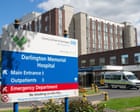
Unnecessary Breast Removals at NHS Trust Reveal Serious Patient Safety Failures
A significant healthcare scandal has emerged involving unnecessary breast removals at a major NHS facility in north-east England. The County Durham and Darlington foundation trust (CDDFT) has confirmed that twenty women had their breasts surgically removed without medical justification while undergoing cancer treatment. This incident represents a serious breach in patient safety protocols and has raised urgent questions about quality control within the institution's breast care services.
The unnecessary breast removals occurred within the trust's dedicated breast unit, an area responsible for treating thousands of patients annually. According to reports from the BBC, these twenty cases represent only a portion of the broader patient harm that occurred within this department. The confirmation of these unnecessary surgical interventions has sparked significant concern among healthcare regulators, patient advocates, and the general public regarding the standards of care provided at this NHS trust.
Scope of Patient Harm at County Durham and Darlington Trust
While twenty women experienced unnecessary breast removals, the County Durham and Darlington foundation trust acknowledged that the scale of harm extends far beyond these individual cases. Hundreds of patients have been identified as suffering harm during their treatment at the breast unit, though the exact nature and extent of these additional cases remain subject to ongoing investigation and review.
The discovery of such widespread harm raises critical questions about the oversight mechanisms that should have detected these issues earlier. Healthcare institutions are expected to maintain rigorous quality assurance protocols, peer review processes, and patient safety systems designed to identify and prevent such serious errors. The fact that numerous cases went undetected for an extended period suggests potential failures in these safeguarding systems.
Clinical Decision-Making and Surgical Practice Standards
The unnecessary breast removals indicate potential failures in clinical decision-making processes at the institution. Breast cancer treatment decisions require careful evaluation of diagnostic findings, imaging results, and patient-specific factors. When women undergo mastectomy—the surgical removal of breast tissue—the decision must be based on sound clinical evidence and appropriate surgical indications.
The occurrence of unnecessary breast removals suggests that established clinical guidelines and evidence-based practices may not have been properly followed. Alternatively, there may have been failures in the informed consent process, where patients were not provided with complete information about alternative treatment options or the potential risks and benefits of proposed surgical interventions.
Impact on Affected Patients and Support Services
The women who underwent unnecessary breast removals now face significant physical, emotional, and psychological consequences. Mastectomy is a major surgical procedure with lasting impacts on body image, self-esteem, and quality of life. For women who underwent these procedures without proper medical justification, the distress is compounded by the knowledge that their surgery was not necessary.
Beyond the immediate surgical trauma, patients may experience complications from surgery and the associated recovery period. Additionally, the psychological impact of undergoing a major surgical intervention unnecessarily can result in long-term mental health challenges, including anxiety and depression.
Regulatory Response and Investigation Process
Following the disclosure of unnecessary breast removals at the County Durham and Darlington foundation trust, regulatory bodies and healthcare oversight agencies have launched formal investigations. The NHS, along with relevant regulatory authorities, are examining the circumstances surrounding these cases to determine accountability and identify systemic failures.
These investigations are essential for understanding how unnecessary breast removals occurred within an NHS trust, what factors contributed to these serious errors, and what measures must be implemented to prevent similar incidents in the future. The findings will likely inform quality improvement initiatives across the broader NHS system.
Recommendations for Patient Safety Improvement
The incident involving unnecessary breast removals at the County Durham and Darlington foundation trust underscores the critical importance of robust patient safety measures in healthcare institutions. Moving forward, implementing enhanced oversight of surgical decision-making, strengthening peer review processes, and improving communication between clinical teams will be essential.
Furthermore, ensuring that patients receive comprehensive information about treatment options and actively participate in healthcare decisions is fundamental to preventing unnecessary procedures. Regular audit of surgical outcomes and adherence to clinical guidelines must become standard practice across all NHS breast units.