Newcastle Hospital Failed Pregnant Woman With Dying Baby
Woman sent home from Newcastle RVI hospital despite dangerous pre-eclampsia. Baby daughter died. Trust admits earlier proper care could have saved her life.
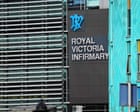
Newcastle Hospital Pre-Eclampsia Case Reveals Critical Care Failures
A serious case of Newcastle hospital pre-eclampsia mismanagement has emerged after healthcare officials acknowledged that a woman's unborn daughter would likely have survived had she received appropriate medical intervention. Danielle Brown, aged 31, experienced what medical experts describe as a catastrophic lapse in maternal care when she was discharged from Newcastle's Royal Victoria Infirmary (RVI) despite presenting symptoms of a life-threatening pregnancy condition.
Initial Discharge from Hospital Despite Warning Signs
The incident began when Brown, who was at seven months of pregnancy, attended RVI for medical evaluation. Rather than being retained for monitoring, she was sent home from the facility with educational materials typically provided to bereaved parents. Healthcare administrators have since admitted that the Newcastle hospital pre-eclampsia assessment failed to identify the severity of her condition, leading to a discharge decision that proved fatal.
Pre-eclampsia represents one of the most serious complications that can occur during pregnancy. This condition, characterized by elevated blood pressure and protein presence in urine, can rapidly deteriorate and pose life-threatening risks to both mother and fetus. Medical guidelines consistently recommend careful monitoring and, in many cases, hospitalization for pregnant individuals exhibiting symptoms.
Return to Hospital and Tragic Discovery
Within days of her discharge, Brown returned to the RVI for additional medical assessment. Ultrasound imaging performed upon readmission revealed devastating news: her daughter, named Maisie, had died in utero. The timeline of events raises profound questions about what different clinical decisions might have altered the outcome.
Hospital authorities subsequently conducted a comprehensive review of Brown's case. Their findings confirmed that had Brown not been discharged prematurely—and had she instead received the medical monitoring and interventions appropriate for her clinical presentation—the outcome regarding her pregnancy would likely have differed significantly. This acknowledgment represents a formal recognition that Newcastle hospital pre-eclampsia protocols were not properly implemented in this instance.
Understanding Pre-Eclampsia in Pregnancy
Pre-eclampsia develops in approximately 3-5% of pregnancies and requires vigilant medical supervision. The condition can progress rapidly, sometimes over hours, from manageable symptoms to serious complications including seizures, organ damage, and fetal distress. Recognition and early intervention are critical factors in determining outcomes.
Symptoms may include severe headaches, vision problems, upper abdominal pain, and significantly elevated blood pressure readings. When a patient presents with these indicators during pregnancy, current medical standards dictate close monitoring in hospital settings, with consideration for early delivery if risks escalate.
The Role of Hospital Protocols and Staff Training
Cases involving Newcastle hospital pre-eclampsia mismanagement often highlight gaps between established clinical guidelines and actual practice implementation. Staff must maintain current knowledge regarding warning signs, appropriate triage procedures, and decision-making frameworks for managing high-risk pregnancies.
This incident suggests potential deficiencies in how clinical information was communicated between healthcare providers, how risk assessments were conducted, or how discharge decisions were authorized. Training programs, supervision mechanisms, and quality assurance processes all play roles in preventing similar occurrences.
Impact on Family and Legal Implications
Brown's experience extends beyond the immediate tragedy of losing her daughter. The family now faces the psychological trauma associated with perinatal bereavement, compounded by the knowledge that different medical decisions might have prevented this loss. Such cases frequently result in formal complaints, internal investigations, and in some instances, legal proceedings seeking accountability and compensation.
For the NHS trust responsible for the RVI, this situation represents a significant patient safety incident. The organization has responsibilities to conduct thorough incident reviews, implement corrective measures, and communicate transparently with affected families.
Lessons for Maternal Healthcare Systems
Incidents involving Newcastle hospital pre-eclampsia cases and similar maternal care failures underscore the critical importance of robust clinical governance in obstetric services. Healthcare systems must ensure that:
- All clinical staff receive regular training on pre-eclampsia recognition and management
- Clear protocols guide triage and discharge decision-making
- Patients with concerning symptoms receive appropriate hospitalization
- Communication between different clinical teams remains clear and comprehensive
- Safety monitoring systems identify and respond to trends in adverse outcomes
Moving Forward in Maternity Care
The case serves as a reminder of why pregnant women with potential pregnancy complications require careful evaluation and, when indicated, continued hospitalization rather than discharge to home-based management. Healthcare providers must balance efficiency considerations against patient safety imperatives, always prioritizing the protection of both mother and fetus when clinical uncertainty exists regarding serious conditions like pre-eclampsia.