
Portable Air Coolers Mislead Consumers: ASA Cracks Down on False Cooling Claims
The ASA investigates misleading portable air cooler advertisements claiming rapid room cooling. Discover why these viral devices don't deliver on their promises.
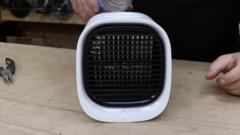
Portable Air Coolers Face Scrutiny Over Deceptive Marketing
Portable air coolers have become increasingly popular across social media platforms, but the Advertising Standards Authority is cracking down on manufacturers making unrealistic claims about their cooling capabilities. These small devices, marketed as revolutionary solutions for instantly cooling rooms, are at the center of a growing controversy regarding truthfulness in advertising and consumer protection.
The ASA Investigation Into Portable Air Coolers
The regulatory body has determined that numerous advertisements for portable air coolers are misleading consumers with exaggerated performance claims. Many manufacturers assert their products can cool spaces rapidly—some even suggesting complete room temperature reduction within minutes. However, the ASA's findings contradict these assertions, revealing that the actual cooling performance falls significantly short of advertised capabilities.
The investigation into portable air coolers reveals a pattern of deceptive marketing tactics that exploit consumer desires for affordable, compact cooling solutions. Advertisements prominently featured on e-commerce platforms and social media channels consistently overstate the effectiveness of these devices, creating unrealistic expectations among purchasers.
Understanding the Reality Behind the Claims
Portable air coolers utilize evaporative cooling technology or basic fan mechanisms, which function quite differently from traditional air conditioning systems. While manufacturers of portable air coolers claim these devices can deliver substantial temperature reductions, independent testing demonstrates their actual performance is substantially more limited. The cooling effect typically only extends to the immediate vicinity of the unit rather than throughout an entire room.
How Portable Air Coolers Actually Work
Most portable air coolers operate on straightforward principles that involve water evaporation or air circulation. These mechanisms work most effectively in specific conditions—namely, in lower humidity environments with proper ventilation. The devices are not equipped with refrigeration cycles like conventional air conditioning, which means their cooling capacity remains inherently restricted compared to what advertisements suggest.
Consumer Impact and Market Concerns
Thousands of consumers have purchased portable air coolers based on viral marketing campaigns and influencer endorsements, only to discover the devices fail to meet expectations. The gap between advertised performance and actual functionality has led to numerous complaints, negative reviews, and requests for refunds. This situation highlights the importance of regulatory oversight in protecting consumers from misleading claims.
The proliferation of portable air coolers across online marketplaces without adequate verification of marketing claims represents a significant consumer protection issue. Many buyers invest substantial sums expecting dramatic cooling improvements, only to find minimal temperature changes in their spaces.
ASA's Stance on Advertising Standards
The Advertising Standards Authority emphasizes that portable air coolers advertisements must accurately represent product capabilities without exaggeration. Claims suggesting rapid cooling, immediate comfort, or effectiveness across entire rooms violate advertising standards unless substantiated by credible evidence. The ASA requires manufacturers to provide scientific backing for their performance assertions.
Regulatory bodies maintain that advertisements for portable air coolers should clearly specify limitations, including effective range, humidity requirements, and realistic temperature reduction expectations. Failure to include such disclaimers or making unsubstantiated performance claims constitutes a breach of advertising standards.
What Consumers Should Know
Before purchasing portable air coolers, consumers should approach marketing claims with healthy skepticism. Understanding the actual technology behind these devices helps set realistic expectations. Potential buyers should research independent reviews, check verified customer feedback, and avoid making purchasing decisions based solely on viral marketing or influencer recommendations.
The controversy surrounding portable air coolers serves as a reminder that consumer awareness and regulatory enforcement both play crucial roles in maintaining marketplace integrity. As these devices continue gaining popularity, the need for transparent, accurate product information becomes increasingly important for protecting consumer interests.
Moving Forward
The ASA's investigation into misleading portable air coolers advertisements demonstrates the regulatory body's commitment to maintaining advertising standards and protecting consumers. Manufacturers must ensure their marketing materials accurately reflect product performance to avoid regulatory action and maintain consumer trust. For shoppers, this situation underscores the importance of conducting thorough research before purchasing portable air coolers or similar products with significant price tags and performance claims.


