
Power Banks on Aircraft: Essential Safety Guidelines for Travelers
Discover critical safety protocols for power banks during air travel. Learn what regulations airlines enforce and how to travel safely with lithium batteries.
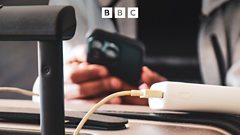
Understanding Power Banks Aircraft Safety Requirements
Power banks aircraft safety has become an increasingly important concern for both travelers and aviation authorities worldwide. With the widespread use of portable chargers and mobile devices, understanding the regulations surrounding power banks on flights is essential for anyone who travels by air. This comprehensive guide explores the safety measures that govern the transportation of lithium-powered devices and why these restrictions exist.
The surge in power bank usage among travelers reflects our modern dependency on electronic devices. However, this convenience comes with significant safety considerations that airlines and aviation regulators take very seriously. Power banks aircraft safety rules are not arbitrary restrictions but are based on extensive research into the potential risks posed by lithium-ion batteries in high-altitude environments.
The Science Behind Lithium Battery Regulations
Lithium-ion batteries, which power most modern power banks, have specific characteristics that make them potentially hazardous during flight. These batteries can generate substantial heat and, in rare cases, spontaneously ignite if damaged, defective, or exposed to certain conditions. At high altitudes, where cabin pressure and oxygen levels differ significantly from ground level, the risks associated with battery malfunction increase considerably.
Aviation safety experts have documented incidents where lithium batteries have caused fires in cargo holds and passenger cabins. These events, though rare, demonstrated the critical need for stringent safety protocols. The Federal Aviation Administration (FAA) and the International Air Transport Association (IATA) have established comprehensive guidelines to minimize these risks, making power banks aircraft safety a central focus of modern aviation security.
Specific Power Banks Aircraft Safety Guidelines for Passengers
Most airlines allow power banks in carry-on luggage, as this location provides better monitoring and rapid response capabilities in case of emergency. However, power banks are generally prohibited in checked baggage due to the difficulty of detecting and responding to fires in cargo holds. The capacity limitations are crucial: most airlines restrict power banks to a maximum of 100 watt-hours (Wh), which covers the vast majority of consumer portable chargers.
Passengers should verify specific airline policies before traveling, as regulations can vary between carriers and may differ based on international routes. Some airlines implement stricter requirements or may prohibit power banks entirely on certain flights. Understanding these variations ensures smooth check-in and prevents confiscation of valuable devices.
Identifying Compliant Power Banks
Power bank capacity is measured in watt-hours or milliampere-hours (mAh). To calculate compliance, multiply the voltage (typically 5V for standard power banks) by the ampere-hours listed on the device. Most consumer power banks fall within the acceptable range, but higher-capacity models designed for professional use may exceed limits. Always check your specific device's specifications before packing for travel.
Current Safety Campaign Objectives
Recent awareness campaigns by airlines and aviation authorities emphasize education rather than prohibition. These initiatives aim to ensure that travelers understand not only the rules but also the reasoning behind them. By promoting informed travel decisions, safety campaigns help reduce incidents while maintaining passenger convenience and satisfaction.
The campaigns highlight several key messages: declare power banks at check-in if uncertain about airline policies, inspect devices for physical damage before travel, avoid using heavily used or damaged power banks during flights, and follow crew instructions regarding device usage. These practical recommendations reflect industry best practices developed through years of operational experience.
International Standards and Compliance
Different countries and aviation authorities maintain comparable but sometimes varying standards for power banks aircraft safety. The International Civil Aviation Organization (ICAO) provides framework guidelines that most nations adopt, ensuring consistency across international routes. However, some countries implement additional restrictions based on their risk assessments and operational experience.
European regulations, North American standards, and Asian aviation authorities generally align on core safety principles while maintaining specific regional variations. Frequent international travelers should familiarize themselves with requirements for all territories they visit, as these differences can affect travel planning and device selection.
Best Practices for Traveling with Power Banks
To ensure smooth travel experiences while maintaining safety compliance, passengers should follow several essential practices. First, carry power banks exclusively in carry-on baggage, never in checked luggage. Second, verify device capacity matches airline requirements, typically 100Wh or less. Third, inspect the power bank for damage, swelling, or leakage before packing.
Additionally, avoid purchasing power banks immediately before travel from unfamiliar retailers, as counterfeit devices may not meet safety standards. Quality assurance and proper certification become increasingly important as counterfeit electronic products circulate in markets worldwide. Established brands with verified specifications provide greater confidence regarding compliance and safety standards.
Looking Forward: The Future of Portable Battery Travel Regulations
As battery technology evolves and capacity increases, aviation authorities continuously review and update power banks aircraft safety regulations. Emerging solid-state batteries and alternative chemistries may eventually provide safer alternatives, potentially enabling relaxed restrictions. However, current regulations remain based on proven lithium-ion technology and represent the safest approach given current scientific understanding.
The balance between consumer convenience and aviation safety will continue shaping future policy decisions. Ongoing research, incident analysis, and technological advancement will inform regulatory evolution, ensuring that travel security improves alongside device capabilities.


