
Infantino Stands Firm Against European Backlash Over Trump Intervention
FIFA president Infantino faces European criticism over Trump intervention, but his decade-long leadership shows resilience. Explore why the Balogun controversy may not affect his position.
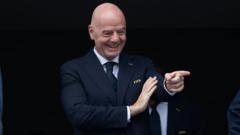
Infantino's Position Remains Secure Despite European Opposition
The Infantino Trump intervention has sparked considerable criticism across European football circles, yet internal observers suggest this backlash is unlikely to undermine FIFA President Gianni Infantino's position. After a decade steering the world's governing body through unprecedented challenges, the organization's leadership appears insulated from the political pressures currently mounting from the Old Continent.
Understanding the Current Controversy
The recent diplomatic situation involving Infantino Trump intervention efforts has drawn fierce condemnation from European football federations and political figures. The incident centers on FIFA's apparent alignment with controversial international decisions, raising questions about institutional independence and governance priorities during Infantino's tenure.
European Federation Concerns
Multiple European football associations have publicly expressed dismay at what they perceive as an overreach by FIFA's administration. Their grievances focus on alleged inappropriate involvement in matters traditionally handled by individual nations and continental bodies. However, these objections have encountered resistance from FIFA's administrative structure, suggesting limited appetite for substantive policy reversals.
The Balogun Factor and Its Limitations
The Folarin Balogun situation represents another flashpoint in recent weeks, with some analysts suggesting it could catalyze broader institutional change. The English footballer's international allegiance became entangled in broader discussions about FIFA governance and European autonomy. Yet precedent indicates such controversies, while generating headlines, rarely translate into leadership transitions at FIFA's highest levels.
Why Scandals Haven't Toppled Previous Presidents
Infantino's decade-long presidency has weathered multiple storms that observers once believed might prove terminal. His predecessor faced existential threats that ultimately facilitated the current leader's ascension. Yet despite various controversies—including financial audits, organizational restructuring concerns, and diplomatic tensions—Infantino has maintained his grip on power through shrewd alliance-building and strategic governance reforms.
Structural Factors Supporting Infantino's Continuity
Several institutional mechanisms effectively insulate FIFA's president from European pressure. The federation's voting structure grants substantial influence to African, Asian, and South American federations, counterbalancing European numerical strength. This geographical distribution means that European objections, however vociferous, cannot unilaterally determine FIFA leadership outcomes.
The Voting Mathematics
During periodic leadership elections, European federations represent approximately 54 of FIFA's 211 member associations. While significant, this proportion falls short of the supermajority required for removing an incumbent president through standard procedures. Infantino's coalition-building efforts have consistently secured support from other continental confederations, particularly CAF (African Football Confederation) and AFC (Asian Football Confederation).
Historical Precedent and Leadership Stability
FIFA's institutional culture has traditionally prioritized continuity and institutional solidarity among the executive leadership echelon. Previous scandals involving corruption allegations, regulatory failures, and international disputes did not automatically trigger leadership changes. Instead, organizations typically implemented reform initiatives while retaining incumbent administrators—a pattern Infantino has effectively leveraged.
Infantino's Reform Narrative
Central to maintaining support, Infantino has consistently positioned himself as a reformer addressing FIFA's historical problems. Initiatives including transparent governance improvements, financial accountability measures, and women's football development investments have garnered international approval despite separate controversies. This multifaceted approach insulates him from single-issue criticism.
The Reality of European Influence Limitations
While European federations command respect and footballing prestige globally, their institutional leverage within FIFA's formal structures remains constrained. The organization's democratic processes, though imperfect, distribute voting power geographically rather than according to continental football quality or historical significance. This structural reality fundamentally limits European capacity to unilaterally remove sitting leadership.
Alliance Dynamics and Coalition Building
Infantino has skillfully navigated relationships with powerful non-European confederations, securing commitments through infrastructure development promises, tournament hosting opportunities, and financial commitments. These strategic partnerships create structural barriers against European-led institutional challenges.
Looking Forward: Stability or Transformation
Current indicators suggest Infantino will weather the present controversy just as his administration has navigated previous challenges. European backlash, though diplomatically awkward and politically uncomfortable, operates within established institutional constraints that effectively prevent wholesale leadership transformation. The Infantino Trump intervention episode will likely fade from international headlines within months, following the pattern of previous FIFA controversies that generated temporary outrage before institutional normalcy reasserted itself.
This trajectory reflects deeper organizational realities: FIFA operates as a geographically diverse federation where European influence, however culturally significant, cannot determine fundamental governance outcomes unilaterally. Unless structural organizational changes fundamentally alter voting mechanics or European federations achieve unprecedented coalition-building success, Infantino's presidency appears poised for continuity regardless of external criticism.


