
Brook Displays Elite Talent Yet Lacks Captaincy Readiness Says Agnew
Harry Brook shows exceptional batting prowess comparable to Gower and Pietersen, but cricket expert Jonathan Agnew believes he's not ready for England Test captaincy role.
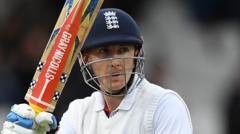
Elite Talent on Display at Headingley
England batsman Harry Brook continues to demonstrate the kind of world-class batting ability that ranks him alongside cricket legends, according to prominent cricket analyst Jonathan Agnew. Despite Brook's undeniable talent, Agnew has cast doubt on whether the young player possesses the maturity and experience necessary to assume the captaincy of England's Test team at this stage of his career.
Brook's recent performance at Headingley provided a masterclass in attacking yet controlled batting that should serve as a template for his future approach to the game. The Yorkshire-born player showcased technical prowess and temperament under pressure, leaving observers impressed with his ability to construct meaningful innings while maintaining an aggressive mindset.
Comparisons with Batting Legends
The comparison to legendary batsmen David Gower and Kevin Pietersen is not made lightly in English cricket circles. Both Gower and Pietersen were known for their natural flair, technical excellence, and ability to dominate bowlers across all formats. Brook's recent displays suggest he possesses similar natural gifts and the potential to achieve comparable success on the international stage.
Agnew's assessment indicates that Brook's batting repertoire and shot-making ability place him in rarefied air among contemporary English cricketers. His combination of elegance and aggression has drawn favorable comparisons, establishing him as one of the brightest talents in the English game.
Questions Remain Over Captaincy Credentials
However, Agnew's commentary suggests that possessing elite batting credentials does not automatically translate into readiness for captaincy. The transition from being a star performer to leading a Test team requires additional dimensions of leadership, experience, and emotional maturity that develop over time. Brook, despite his exceptional batting talent, appears to lack the necessary foundation for this significant responsibility.
The role of Test captain demands not only tactical acumen and cricket intelligence but also the ability to manage personalities, make difficult decisions under immense pressure, and serve as the public face of the team. Agnew's perspective suggests these are areas where Brook still requires development before taking on such a pivotal position.
A Bright Future Ahead
This assessment should not be construed as criticism of Brook's potential or trajectory. Rather, it reflects a realistic evaluation of where he currently stands in his career development. Many great batsmen have eventually proven themselves capable of captaincy, but the timing must be right, and the foundation of experience must be in place.
Brook's focus should remain on consolidating his position as one of England's premier batsmen. By continuing to produce performances similar to his Headingley display, he will accumulate the experience and understanding necessary for future leadership opportunities. The technical blueprint he demonstrated at Headingley represents exactly the kind of consistent, high-quality cricket that builds both individual reputation and team influence.
Looking Forward
As England continues to develop its squad and consider future leadership, Brook's journey as a cricketer will be closely monitored. His batting excellence provides hope for England's Test cricket aspirations, while his ongoing maturation as a player will eventually determine his broader role within the team structure. For now, allowing him to focus on his primary strength—batting—while gaining experience alongside established leadership figures remains the most sensible path forward for both player and team.


