Heatwaves Causing Rise in Falls and Health Crises Across NHS
Extreme heat triggering dizziness, falls among elderly patients. NHS doctors warn of surge in heat-related injuries and hospital admissions during record temperatures.
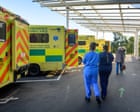
Heatwaves Health Impact Reshaping Emergency Care
The recent surge in heatwaves health impact has created unprecedented challenges for emergency departments across the United Kingdom. Medical professionals are witnessing a dramatic increase in heat-related complications that extend far beyond simple dehydration, with falls among elderly populations becoming a critical concern during periods of extreme temperature exposure.
Dr Adrian Boyle, an accident and emergency consultant at Addenbrooke's Hospital in Cambridge, highlights the concerning patterns emerging from this summer's multiple heatwave events. The physician explains that emergency departments are documenting a troubling rise in fall-related injuries directly attributable to thermal stress on the human body.
The Dizziness and Balance Problem
Thermoregulatory dysfunction represents a primary mechanism behind the observed health deterioration during elevated temperatures. When the body struggles to maintain optimal internal temperature, individuals experience lightheadedness and vertigo that significantly compromise their ability to maintain balance and stability.
During the consecutive heatwaves experienced this summer, elderly patients presented to emergency services with increasingly severe injuries sustained through temperature-induced falls. These incidents demonstrate how thermal exposure directly translates into physical trauma. One documented case involved an elderly woman who lost her footing descending stairs while experiencing heat-induced dizziness, resulting in multiple fractured ribs, a fractured wrist, and lower leg fractures—injuries that would require extended hospitalization and rehabilitation.
Such incidents represent more than isolated cases. Healthcare professionals across multiple facilities report consistent patterns of fall-related admissions correlating directly with peak temperature periods. The physiological stress imposed by heatwaves health impact creates vulnerable conditions, particularly affecting populations with reduced thermoregulatory capacity.
Systemic Strain on Emergency Departments
Beyond individual patient presentations, heatwaves are imposing considerable operational stress on NHS facilities. Emergency medicine staff operate within increasingly challenging environmental conditions while simultaneously managing surging patient volumes. The combination of elevated ambient temperature within hospital facilities and increased demand for emergency services creates compounded pressure on already stretched resources.
Medical teams describe working conditions that become progressively more demanding during periods of extreme heat. Maintaining clinical standards while providing care in poorly cooled facilities presents additional complications that healthcare workers must navigate. The psychological toll of managing high-acuity patients in uncomfortable environmental conditions affects staff performance and overall service delivery capacity.
Broader Health Consequences Beyond Trauma
The health implications of contemporary heatwave events extend beyond mechanical injuries from falls. Thermal stress triggers multiple physiological responses that overwhelm healthcare systems. Cardiovascular complications, heat exhaustion, heat stroke, and exacerbation of chronic conditions create additional emergency presentations that compete for limited resources.
Vulnerable populations—including elderly individuals, those with chronic illnesses, individuals taking specific medications, and people living in inadequately cooled accommodation—face disproportionate risk during thermal extremes. The cumulative effect produces cascading health crises that amplify throughout healthcare infrastructure.
Summer Season Health Crisis Patterns
This summer's experience with multiple consecutive heatwaves has revealed critical gaps in preparedness and resilience. Each thermal event produces predictable surges in emergency presentations, yet healthcare systems continue facing capacity challenges. The frequency and intensity of heatwave episodes appear to be increasing, suggesting that emergency medicine will require ongoing structural adaptation.
Medical professionals express concern about the trajectory of these environmental health challenges. Without meaningful intervention addressing both environmental factors and healthcare infrastructure capacity, future heatwave seasons may produce even more severe consequences for vulnerable populations.
The current crisis underscores the necessity for comprehensive public health strategies addressing heat resilience, emergency department infrastructure improvements, and targeted interventions protecting at-risk populations during thermal extremes.