Afghan Women Barred from Male Doctors: Taliban's Unofficial Ban
Taliban restrictions force Afghan women to seek medical help from female doctors only. Discover how this de facto ban affects healthcare access and women's rights.
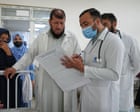
Taliban's Unwritten Healthcare Restriction Creates Crisis
An undeclared but enforced Taliban ban male doctors Afghanistan has pushed countless women into precarious situations as they struggle to obtain necessary medical treatment. According to interviews conducted with the Guardian and Zan Times, women across the country face impossible choices when seeking healthcare, with many being turned away from clinics or forced to endure severe pain rather than violate the unofficial gender segregation policy.
The restriction, though never formally announced, has become systematically applied across medical facilities, leaving Afghanistan's female population increasingly vulnerable and isolated from essential healthcare services. This de facto policy represents one of the most serious restrictions on women's rights since the Taliban's return to power.
Personal Struggles: A Toothache That Revealed Systemic Failure
Farida, 37 years old, experienced firsthand the consequences of Taliban ban male doctors Afghanistan when she developed a severe toothache that disrupted her sleep and ability to eat. Her teeth had deteriorated over years, with molars on both sides requiring urgent attention. The pain became so unbearable that she had no choice but to seek professional dental care despite her family's limited financial resources.
Farida's family had recently returned from Iran to Herat, a western Afghan city, joining thousands of migrants compelled to leave their host countries due to deportation campaigns. Like many returnees, they struggled to secure employment and generate adequate income. Medical care, once considered a basic necessity, had transformed into an unaffordable luxury for families in their circumstances.
Desperation and Absurd Scenarios in Healthcare Settings
When Farida finally visited a dental clinic in the Bakrabad district of Herat in early July, she encountered the harsh reality of Taliban ban male doctors Afghanistan. The situation illustrated how the restriction forces women into absurd and often dangerous predicaments. Women report being told to "go home" when presenting to clinics staffed primarily by male practitioners, regardless of their medical urgency or condition severity.
The unofficial nature of the restriction paradoxically makes it more difficult to challenge or navigate. Without formal documentation, women cannot anticipate which facilities will enforce the policy or how strictly they will apply it. This unpredictability multiplies the stress and hardship already inherent in seeking medical treatment during economic hardship.
Healthcare System Collapse Under Gender Segregation
Afghanistan's healthcare infrastructure, already weakened by years of conflict and political instability, faces additional strain from Taliban ban male doctors Afghanistan. The policy has created artificial scarcity of qualified medical professionals available to female patients. Women-only medical facilities lack sufficient numbers of female doctors, nurses, and specialists to meet demand, resulting in dangerous delays and preventable complications.
Emergency cases become particularly problematic. Women requiring immediate surgical intervention or specialized treatment often cannot access necessary care because female practitioners with required expertise remain unavailable. This gender segregation policy transforms routine medical needs into potential life-threatening situations.
Broader Implications for Afghan Society
The Taliban ban male doctors Afghanistan extends far beyond individual cases like Farida's dental emergency. The restriction affects maternal healthcare, resulting in pregnant women avoiding prenatal care and deliveries. It impacts treatment of chronic diseases, mental health services, and surgical procedures. Women postpone or forego medical attention entirely, allowing preventable conditions to progress to advanced stages.
The policy reflects broader Taliban gender restrictions that have systematically eliminated women from public life since August 2021. Women banned from secondary education, employment in most sectors, and now increasingly from accessing healthcare administered by male professionals. Each restriction compounds others, creating intersecting barriers to women's survival and dignity.
The Urgent Need for International Response
Organizations monitoring the Taliban ban male doctors Afghanistan situation express deep concern about healthcare outcomes. Women's health indicators were already fragile in Afghanistan; this restriction threatens to reverse decades of progress in maternal mortality reduction and disease prevention. The international community faces pressure to advocate for policy reversal and support alternative solutions that respect both medical necessity and cultural concerns.
The unofficial nature of Taliban ban male doctors Afghanistan allows authorities to deny responsibility while maintaining enforcement through local pressure and social coercion. This strategic ambiguity complicates diplomatic interventions and humanitarian responses. Meanwhile, Afghan women continue enduring medical crises without adequate support or solutions.