Germany Reconsiders Coal Power Amid Rising Natural Gas Costs
Germany may reverse its coal exit plans due to soaring natural gas prices. Discover how energy costs are reshaping Germany's power generation strategy and climate goals.
Germany's Coal Dilemma: Reassessing Energy Strategy
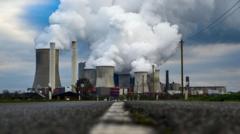
Germany coal power has become a pressing policy debate as the nation grapples with escalating energy expenses. The country, which established ambitious deadlines to phase out fossil fuel dependency, now finds itself reconsidering its commitment to abandon coal-based electricity generation. This shift reflects the complex realities of balancing environmental objectives with immediate economic pressures stemming from volatile energy markets.
The Impact of Natural Gas Price Surge
The dramatic increase in natural gas prices has fundamentally altered Germany's energy calculus. When natural gas costs skyrocket, previously uncompetitive energy sources become economically viable alternatives. Coal-powered plants, once slated for retirement, now represent a cost-effective solution to meet the nation's substantial electricity demand during periods of high natural gas expenses.
Germany's previous energy strategy assumed gradually declining fossil fuel reliance while expanding renewable capacity. However, the geopolitical tensions and market disruptions affecting natural gas supplies have created unexpected vulnerabilities in this transition plan. The surge in gas prices has prompted policymakers to evaluate whether maintaining coal infrastructure could serve as a temporary stabilizing measure.
Previous Commitments and Current Complications
Germany had committed to completing its coal phase-out by 2038, aligning with broader European climate initiatives and domestic sustainability goals. This timeline represented a significant investment in renewable energy infrastructure, battery storage technology, and grid modernization. The planned coal exit was not merely an environmental statement but a comprehensive restructuring of the nation's energy sector.
However, the unanticipated acceleration of natural gas price volatility has complicated these carefully planned transitions. Energy security concerns now compete with climate commitments, creating a dilemma for government officials and industry stakeholders. The question is no longer simply whether Germany should abandon coal, but rather how to manage energy stability during a period of unprecedented market turbulence.
Economic Considerations in Energy Planning
The financial implications of Germany's energy policy extend beyond immediate utility bills. Industrial competitiveness, household affordability, and grid stability all depend on reliable access to reasonably priced electricity. When natural gas prices reach historically elevated levels, the economic burden on consumers and manufacturers becomes substantial.
Extending the operational life of coal facilities, even temporarily, could moderate electricity prices and reduce pressure on household budgets. This consideration has gained traction among policymakers seeking to balance environmental ambitions with social and economic responsibilities. The debate reflects an uncomfortable truth: energy transitions cannot ignore real-world economic constraints and the welfare of affected populations.
Renewable Energy and the Transition Challenge
Germany's renewable energy sector has experienced significant expansion, with wind and solar installations increasing substantially. Yet intermittency challenges persist, requiring backup power sources during periods of low wind or sunlight generation. Battery storage technology continues advancing, but deployment at the necessary scale remains incomplete.
The gap between renewable capacity and reliable dispatchable power creates a practical need for flexible generating sources. While natural gas historically filled this role, its price volatility has made it an unreliable solution. This situation has inadvertently renewed interest in coal as a more price-stable, though environmentally problematic, alternative for bridging the transition period.
Policy Implications and Future Direction
Germany's potential reassessment of coal policy signals broader tensions within the European energy transition. Policymakers must navigate competing priorities: climate commitments, energy security, economic competitiveness, and social stability. There are no perfect solutions, only trade-offs requiring careful deliberation.
Government decisions about Germany coal power will influence energy strategies across Europe and beyond. Whether the nation extends coal plant operation even temporarily will demonstrate how climate commitments withstand pressure from economic realities. This juncture represents a critical test of political will and strategic foresight in managing one of the most complex energy transitions globally.
Stakeholder Perspectives
Environmental organizations express concern about compromising long-term climate goals for short-term economic relief. Industry groups emphasize the need for energy affordability to maintain manufacturing competitiveness. Labor unions worry about employment transitions in fossil fuel-dependent regions. Energy companies seek regulatory clarity to guide investment decisions in a rapidly changing landscape.
These divergent interests reflect the legitimate concerns of communities and sectors affected by energy policy decisions. Reconciling these perspectives requires transparent dialogue, equitable transition support, and commitment to sustainable long-term solutions.
Conclusion
Germany's reconsideration of coal represents a crucial moment in Europe's energy transition. While environmental objectives remain important, the practical realities of energy markets and economic stability cannot be ignored. The path forward requires sophisticated policy approaches that acknowledge these tensions while maintaining progress toward sustainable energy systems.