Can Employers Dictate Summer Dress Code Rules?
Learn about summer dress codes at work: what bosses can require, your rights, and how to style professionally while staying cool during hot months.
Understanding Summer Dress Code Regulations
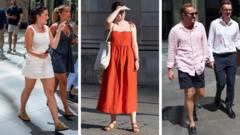
A summer dress code remains one of the most contentious topics between employers and employees during warmer months. When temperatures rise, workers often want to wear comfortable clothing like shorts, strappy tops, and sandals, but many employers maintain strict guidelines about what constitutes appropriate professional attire. Understanding where you and your employer stand on this issue requires examining both legal frameworks and workplace norms.
The foundation of any summer dress code discussion lies in recognizing that employers generally have the right to establish reasonable workplace appearance standards. However, this authority is not unlimited. Companies must ensure their policies are applied consistently and do not discriminate based on protected characteristics such as gender, race, religion, or disability status.
Legal Boundaries of Employer Authority
Employers can enforce a summer dress code as long as it meets specific legal criteria. The policy must be reasonable, communicated clearly to all staff members, and applied uniformly across the workforce. Some jurisdictions have specific regulations regarding what employers can require, particularly concerning gender-based distinctions in dress codes.
One critical consideration involves gender-neutral enforcement. Many employers historically maintained different standards for men and women, which courts have increasingly scrutinized. A summer dress code that prohibits women from wearing sleeveless tops while allowing men to wear sleeveless shirts could potentially violate workplace discrimination laws. Similarly, policies that disproportionately burden one gender face legal challenges.
Industry-Specific Considerations
Different industries maintain varying standards regarding summer dress codes. Creative industries like advertising and technology companies often adopt more relaxed policies, permitting casual summer clothing. In contrast, client-facing sectors such as law, finance, and healthcare typically maintain stricter professional standards regardless of the season.
Customer-interaction roles frequently require more formal summer dress codes because client perception influences business relationships and professional credibility. A financial advisor might need to maintain business casual standards even during summer heat, while a software developer at the same firm might enjoy greater flexibility.
Common Summer Dress Code Policies
Many organizations implement seasonal variations in their dress codes to acknowledge weather-related comfort concerns. A typical summer dress code might permit:
Closed-toe shoes or professional sandals with back straps, rather than flip-flops or beach-style footwear. Lightweight pants, knee-length shorts, or professional skirts instead of heavy winter fabrics. Short-sleeved shirts or modest sleeveless tops with appropriate undergarments. Cotton or moisture-wicking materials designed for warm weather. Avoiding graphic t-shirts, tank tops, or extremely casual beachwear.
What Generally Remains Off-Limits
Even relaxed summer dress codes typically prohibit certain items. Denim (unless explicitly permitted as casual Friday wear) remains restricted in professional settings. Athletic wear, swimwear, or beach-appropriate clothing is rarely acceptable during business hours. Extremely short garments, transparent fabrics without proper layering, and heavily distressed clothing usually violate summer dress code standards.
Advocating for Changes to Your Workplace Summer Dress Code
If you believe your organization's summer dress code is unreasonably strict or applied inconsistently, several approaches can help facilitate change. Documentation proves essential—track specific policy violations and how different employees are treated. Present evidence demonstrating that competitors in your industry permit more flexible summer dress codes without compromising professionalism.
Approach management constructively by suggesting trial periods for modified summer dress code policies. Propose specific changes with clear justification, such as explaining how permitting casual summer wear might improve employee morale and retention during challenging hot months. Frame the conversation around productivity, not personal preference.
Balancing Personal Comfort and Professional Standards
Finding equilibrium between staying comfortable during summer and maintaining professional standards requires strategic wardrobe planning. Lightweight fabrics naturally regulate body temperature better than heavy materials. Linen, cotton blends, and moisture-wicking synthetics designed for warm weather provide comfort without sacrificing professionalism.
Layering offers another solution for navigating strict summer dress codes while remaining cool. A sleeveless top paired with a lightweight cardigan satisfies policies restricting bare shoulders while allowing you to remove the cardigan layer when temperature becomes unbearable. This approach gives you flexibility throughout the day.
Your Rights and Responsibilities
Understanding your legal position regarding summer dress code policies empowers you to respond appropriately. Most employment is at-will, meaning employers can set reasonable appearance standards and enforce them through disciplinary procedures. However, illegal discrimination cannot disguise itself as dress code enforcement.
Document any concerns if you believe your summer dress code policy violates your rights. Maintain records of what you wore and any disciplinary actions received. If you suspect gender-based or discriminatory enforcement, consult your human resources department formally or seek legal counsel. Many jurisdictions offer free or low-cost employment law consultations through legal aid organizations.
Your professional reputation benefits from demonstrating good judgment about workplace appropriate attire, even during uncomfortable summer months. Most employers appreciate employees who navigate dress codes professionally rather than constantly testing policy boundaries. Finding clothing that satisfies both comfort needs and workplace standards typically proves possible with thoughtful planning.