
Gas Field Development Won't Significantly Impact Climate, Says Operator
Jackdaw gas field owner claims limited climate influence. New environmental assessment addresses regulator concerns over previous submission gaps.
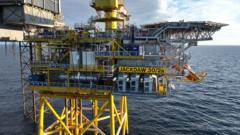
Gas Field Operator Reassures on Climate Implications
A major energy company behind the Jackdaw gas field development has declared that the project will demonstrate minimal climate change influence, according to freshly submitted documentation to regulatory authorities. The gas field operator contends that environmental consequences remain within acceptable parameters despite ongoing scrutiny from climate advocates and regulatory bodies.
This latest statement comes as part of a comprehensive reassessment process initiated after the industry regulator identified significant deficiencies in the company's earlier environmental submission. The previous documentation apparently failed to adequately examine several critical areas of concern that the regulatory agency deemed essential for proper project evaluation.
Regulatory Requirements Drive Comprehensive Review
The energy sector regulator mandated a thorough re-examination of the project following their formal review of initial documents. Officials determined that multiple environmental and operational dimensions had not received sufficient analysis in the preliminary filing. This directive reflects the regulator's commitment to ensuring that industrial projects undergo rigorous evaluation before advancement.
The newly required assessment represents a significant undertaking, demanding detailed examination of various environmental factors associated with the gas field's operations. Companies operating in the hydrocarbon sector now face increasingly stringent requirements regarding environmental documentation and climate-related impact projections.
Content of the New Environmental Assessment
The resubmitted documentation addresses the specific areas flagged by regulatory officials during their initial review process. The operator has incorporated additional data, refined methodologies, and expanded analysis across multiple dimensions of environmental concern. These revisions aim to provide regulatory authorities with comprehensive information necessary for informed decision-making regarding project approval.
The assessment includes detailed projections regarding greenhouse gas emissions, operational methodologies designed to minimize environmental footprint, and comparative analysis with similar industrial installations. The operator's position maintains that even with full operational capacity, the climate change influence remains limited relative to broader industry standards and national energy production requirements.
Industry Perspective on Environmental Standards
Energy companies operating within European waters and continental shelf regions face increasingly demanding environmental standards. Regulators across multiple jurisdictions have heightened scrutiny of fossil fuel projects, reflecting broader policy shifts toward renewable energy transition. However, established energy infrastructure continues to support significant portions of regional electricity supply and heating demands.
The operator's assertions regarding limited climate change influence rely on specific methodological frameworks and emissions calculation standards. These projections incorporate assumptions about operational efficiency, maintenance protocols, and technological implementations designed to reduce environmental impact during the facility's operational lifespan.
Regulatory Framework and Future Implications
The requirement for comprehensive environmental reassessment demonstrates regulatory commitment to thorough evaluation processes. Industry observers note that such demands have become standard practice for major hydrocarbon projects seeking authorization in regulated waters. The regulator's decision to require resubmission reflects their assessment that initial documentation contained material gaps requiring substantive revision.
Moving forward, the regulatory authority must evaluate whether the newly submitted assessment satisfactorily addresses their previously identified concerns. This evaluation process involves multiple specialized departments and external expert consultation. The timeline for regulatory decision-making typically spans several months, depending on assessment complexity and stakeholder engagement requirements.
Broader Context of Energy Development Decisions
The Jackdaw gas field project exists within a broader context of energy policy, climate commitments, and industrial development. Regional policymakers balance objectives related to energy security, economic development, and environmental protection. Individual project approvals reflect complex negotiations between these competing priorities at governmental and regulatory levels.
The operator's confidence regarding limited climate change influence stands in contrast to positions held by environmental advocacy organizations. These groups continue to argue that fossil fuel development projects should be restricted regardless of individual project-level impact assessments. Nevertheless, regulatory authorities maintain responsibility for evaluating projects based on established legal frameworks and environmental standards.
The eventual regulatory decision regarding the Jackdaw gas field will contribute to precedent regarding how similar projects receive evaluation. This determination carries significance beyond the individual project, influencing how future hydrocarbon developments proceed through authorization processes across regulated maritime jurisdictions.


