
Ferrari's Marketing Chief Departs Following EV Launch
Ferrari's marketing executive exits weeks after the Luce EV design faced significant criticism. Learn about this major leadership change at the luxury automaker.
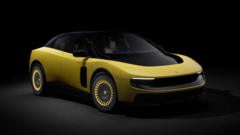
Ferrari Marketing Chief Exits After EV Controversy
A senior marketing executive at Ferrari has resigned just weeks following substantial backlash against the company's inaugural all-electric vehicle. The departure marks a significant leadership shift at the prestigious Italian luxury automaker, coming at a critical moment in its transition toward electrification. Ferrari's marketing chief decision to step down reflects the intensified scrutiny surrounding the brand's first EV offering and its reception in the global market.
The Luce Electric Vehicle and Design Criticism
Ferrari's first fully electric model, designated the Luce, encountered considerable opposition regarding its design philosophy and aesthetic direction. The vehicle's appearance sparked widespread debate within automotive circles and among Ferrari enthusiasts worldwide. Critics questioned whether the design successfully captured the brand's iconic identity while meeting contemporary electric vehicle standards.
The luxury carmaker invested substantial resources into developing this groundbreaking model, positioning it as a flagship entry into the electric vehicle segment. However, the design reception proved more challenging than anticipated, with various stakeholders expressing concerns about the visual presentation and how it represented Ferrari's future direction.
Leadership Transition at Ferrari
The resignation of Ferrari's marketing leadership represents a notable organizational change during this pivotal period for the company. Marketing departments play crucial roles in shaping public perception and managing brand narratives, particularly when launching revolutionary products. The executive's departure suggests internal acknowledgment that strategic adjustments may be necessary following the initial market response to the Luce.
This leadership transition occurs amid broader industry discussions about electric vehicle adoption among luxury automakers. Ferrari, with its storied heritage and performance-oriented reputation, faces unique challenges in transitioning toward sustainable energy solutions while maintaining brand prestige and customer expectations.
Industry Context and Market Implications
The luxury automotive sector has witnessed increasing pressure to accelerate electrification efforts, balancing environmental considerations with preserving brand heritage. Ferrari's entry into electric vehicle manufacturing represents a watershed moment for the company, which has historically focused on internal combustion engines and high-performance vehicles.
The executive departure raises questions about internal strategy alignment and decision-making processes within Ferrari's upper management. Marketing professionals typically function as intermediaries between product development and consumer perception, making leadership stability in this department particularly significant during product launches.
Looking Forward for the Automaker
Ferrari must now navigate the challenge of recovering momentum following the Luce's controversial reception and the accompanying leadership change. The company faces critical decisions regarding design adjustments, marketing strategy refinements, and brand positioning in the competitive electric vehicle market. How Ferrari responds to this situation will likely influence consumer confidence and market reception for future EV models.
The intersection of luxury brand heritage and modern electric vehicle innovation continues presenting complex challenges for established automakers. Ferrari's experience with its inaugural EV underscores the importance of strategic alignment between product development, marketing execution, and stakeholder expectations during transformative industry transitions.


