
Heatwave Creates Unique Sun-Tanned Vegetables Worth Eating
Discover why heatwaves are producing unusual sun-tanned vegetables and knobbly potatoes. Learn how British shoppers benefit from these distinctive seasonal produce options.
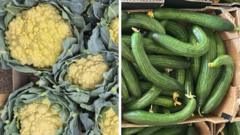
Understanding Sun-Tanned Vegetables from Recent Heatwaves
British shoppers are increasingly discovering sun-tanned vegetables appearing on supermarket shelves due to recurring heatwave conditions across the country. These sun-tanned vegetables showcase distinctive characteristics that make them visually unique while remaining completely safe and nutritious for consumption. The agricultural sector has observed significant changes in vegetable appearance as prolonged heat exposure during growing seasons creates unusual pigmentation and surface textures.
The phenomenon of sun-tanned vegetables represents a natural adaptation to extreme weather patterns. When cauliflowers, potatoes, and other crops experience extended periods of intense sunlight and heat, their exterior surfaces develop deeper coloration and interesting textural variations. What might initially appear as cosmetic imperfections actually demonstrates the vegetables' exposure to natural growing conditions without protective coverings.
The Science Behind Unusual Vegetable Development
Agricultural experts explain that sun-tanned vegetables develop their distinctive appearance through exposure to ultraviolet radiation and sustained high temperatures during the growing season. Cauliflowers exposed to prolonged sunshine can develop a golden or brownish tint rather than the traditional pure white appearance consumers traditionally expect. This coloration results from increased antioxidant production as the plant responds to environmental stress.
Knobbly potatoes and other root vegetables similarly show textural changes when grown under heatwave conditions. The irregular surfaces and bumpy skin patterns emerge as the soil dries and contracts during hot periods, creating natural fissures and distinctive formations on the potato exterior. These characteristics do not indicate inferior quality or reduced nutritional value.
British Shoppers Adapting to New Vegetable Varieties
British consumers are gradually accepting and even preferring sun-tanned vegetables as they recognize these products as authentic, naturally-grown options. The visibility of these unusual vegetables reflects honest agricultural practices where produce reaches markets without artificial treatments or cosmetic enhancements. Many shoppers appreciate knowing their vegetables developed through genuine outdoor cultivation rather than controlled environmental agriculture.
Retailers across the United Kingdom have embraced this trend, recognizing consumer interest in understanding produce origins and growing conditions. Supermarkets now market sun-tanned vegetables alongside conventional options, often highlighting their natural characteristics as selling points. This transparency builds consumer confidence in the authenticity and quality of locally-grown produce.
Nutritional Benefits and Taste Quality
The nutritional profile of sun-tanned vegetables remains identical to their traditionally-colored counterparts. Cauliflowers with deeper coloration contain the same vitamin C, fiber, and beneficial compounds as white varieties. The increased antioxidant production triggered by sun exposure may even enhance certain nutritional properties, making these vegetables potentially more beneficial than those grown under shade.
Taste characteristics of sun-tanned vegetables often impress consumers who try them. The concentrated flavor profiles develop as plants respond to heat stress by producing more sugars and compounds that enhance taste. Potatoes with distinctive knobbly surfaces frequently demonstrate superior flavor complexity compared to perfectly smooth varieties. These vegetables offer genuine culinary advantages beyond their visual distinctiveness.
Future Expectations for Unusual Produce
Climate scientists predict that heatwave frequency will increase across British agricultural regions, suggesting sun-tanned vegetables will become increasingly common in future growing seasons. Farmers are adapting cultivation strategies to manage crop quality during extreme weather events while accepting that cosmetic variations will become standard rather than exceptional. Agricultural organizations encourage consumers to embrace these natural variations as normal expressions of weather-responsive farming.
Consumer education initiatives help shoppers understand that unusual appearance indicates genuine outdoor growing conditions. Food retailers actively communicate the benefits of accepting imperfect-looking produce, emphasizing sustainability and authentic agricultural practices. This cultural shift toward accepting naturally-variable vegetables represents progress in reducing food waste and supporting realistic farming outcomes during climate variability.


