EU's 'Made in Europe' Policy: France Pushes UK Exclusion
France leads effort to exclude UK from EU's 'Made in Europe' initiative targeting green tech and electric vehicles, impacting British market access.
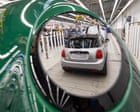
France Spearheads UK Exclusion from EU's 'Made in Europe' Initiative
France is championing a significant push to keep the United Kingdom out of the EU's "Made in Europe" policy, a strategic move that could substantially disadvantage British enterprises competing for contracts to supply green technologies and electric vehicles across European nations. The initiative, designed to curb Chinese market dominance, represents a critical juncture in post-Brexit trade relations between the UK and the European Union.
According to French policy officials, the rationale behind this exclusion centers on market access principles. As one French minister emphasized, "If you're not in the internal market, you don't get the same protection." This statement underscores the fundamental divide between EU member states and non-member nations like the United Kingdom in accessing preferential procurement frameworks.
The 'Made in Europe' Framework and Its Implications
The "Made in Europe" policy represents an ambitious attempt by the European Union to establish domestic manufacturing dominance in critical sectors, particularly renewable energy technologies and automotive electrification. By prioritizing European-manufactured goods through preferential treatment mechanisms, the initiative aims to reduce dependency on external suppliers while fostering regional economic resilience.
The exclusionary approach championed by France creates a competitive disadvantage for British manufacturers who previously enjoyed seamless market access as EU members. Companies specializing in battery technology, electric vehicle components, and renewable energy infrastructure now face potential barriers that could redirect significant contracts toward EU-based competitors.
Recent Diplomatic Developments
The exclusionary framework gained momentum during recent high-level discussions at the United Nations General Assembly. Andy Burnham, representing British interests, raised the matter directly with European Commission President Ursula von der Leyen, signaling official concern about potential market access restrictions.
This diplomatic engagement reflects growing awareness among British policymakers that "Made in Europe" policies could have far-reaching consequences for UK-based suppliers. The conversation at the UN underscores the tension between preserving British commercial interests and respecting the EU's autonomy in establishing internal market preferences.
Market Implications for British Technology Companies
The potential implementation of strict exclusionary provisions could reshape competitive dynamics within Europe's burgeoning green technology sector. British companies operating in electric vehicle manufacturing, battery production, and renewable energy technologies would face substantial headwinds in accessing EU procurement opportunities previously available under more liberal trade arrangements.
Industries particularly affected include automotive component suppliers, battery technology manufacturers, and renewable energy equipment producers. These sectors represent significant employment bases across the United Kingdom and have invested heavily in capabilities aligned with European environmental standards and market requirements.
Understanding EU Internal Market Protections
The distinction between internal market participants and external trading partners forms the philosophical foundation of France's position. EU member states benefit from regulatory harmonization, free movement of capital and services, and preferential treatment in government procurement contracts. Non-member nations, regardless of geographical proximity or trade history, must operate under standard international trade frameworks.
France's argument essentially contends that extending "Made in Europe" protections to UK companies would undermine the fundamental purpose of maintaining internal market advantages. This position reflects broader European sentiment regarding the value proposition of EU membership and the need to establish clear differentiation between member and non-member status.
Broader Trade Policy Context
The "Made in Europe" initiative must be understood within the context of intensifying global competition for technological dominance. Chinese manufacturers have captured substantial market share in battery production and renewable energy equipment, prompting European policymakers to implement defensive measures. By concentrating procurement within EU boundaries, policymakers aim to strengthen regional supply chains and reduce geopolitical vulnerability.
The UK's exclusion from these preferential arrangements reflects post-Brexit trade restructuring, where Britain increasingly operates as an external trading partner rather than an integrated member of European decision-making structures. This transition continues reshaping commercial relationships established over decades of EU membership.
Looking Forward: Trade Negotiations and Adaptations
The unfolding situation highlights potential areas for future trade negotiations between UK and EU authorities. British policymakers may seek alternative mechanisms to ensure fair market access, whether through bilateral trade agreements or sector-specific exemptions. Conversely, the EU maintains discretion over internal market policies and can establish protectionist frameworks aligned with member state preferences.
Companies operating in affected sectors must prepare for an increasingly segmented European market where access conditions vary substantially based on production location and ownership structure. Strategic adaptations including European manufacturing expansion or partnership structures with EU-based entities may become necessary for British firms seeking to maintain competitive positioning.