Iran Proposes Opening Strait of Hormuz Within Six Days
Iran offers to open Strait of Hormuz in six days and resume nuclear talks if US lifts oil sanctions and ends regional conflicts including Lebanon war.
Iran's Strategic Proposal to Trump Administration
Iran has presented a significant diplomatic proposal centered on opening the Strait of Hormuz within six days, contingent upon specific conditions from the United States. The proposal represents a comprehensive approach to resolving tensions between the two nations, addressing both maritime access and broader geopolitical concerns that have plagued US-Iran relations for years.
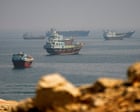
The opening of the Strait of Hormuz, one of the world's most critical maritime chokepoints, serves as the cornerstone of Tehran's negotiation strategy. This waterway controls approximately one-third of global maritime oil traffic, making its accessibility crucial for international commerce and energy security.
Conditions Set by Tehran
Iran's proposal establishes several interconnected demands that must be satisfied for the Strait of Hormuz to remain open for international shipping. The government has communicated directly with the Trump administration regarding these prerequisites, emphasizing their non-negotiable nature in any agreement.
Oil Sanctions Relief
The primary condition involves the complete lifting of US sanctions on Iran's oil exports. These sanctions have severely impacted Iran's economy, restricting its ability to generate revenue from one of its most valuable resources. The removal of these restrictions would allow Iranian petroleum to return to international markets, benefiting not only Tehran but also stabilizing global energy prices.
Regional Conflict Resolution
Beyond economic matters, Iran demands that the United States end military interventions and support for conflicts across multiple fronts. Specifically, Tehran emphasizes the cessation of hostilities in Lebanon, where regional tensions have escalated significantly. This condition reflects Iran's broader security concerns throughout the Middle East, where proxy conflicts and direct interventions have created instability.
Release of Frozen Assets
Another crucial component of the proposal involves the return of Iran's frozen assets currently held abroad. These funds represent legitimate national resources that have been frozen as part of international sanctions regimes. Their release would provide Tehran with financial resources to rebuild its economy and fund development initiatives.
Accelerated Nuclear Dialogue Timeline
In a demonstration of good faith and momentum toward broader reconciliation, Iran has proposed commencing nuclear program negotiations the day after the Strait of Hormuz opening. This accelerated timeline differs substantially from previously negotiated frameworks, suggesting Tehran's eagerness to resolve nuclear disputes more rapidly than anticipated under existing agreements.
The nuclear discussions would build upon the memorandum of understanding established between the US and Iran in June. Rather than adhering to the original, more prolonged schedule for initiating talks, Iran's proposal seeks to compress the timeline dramatically. This acceleration could indicate Tehran's confidence in reaching a mutually acceptable agreement if economic and regional conditions are satisfied first.
Basis in June Memorandum of Understanding
Iran's current proposal derives much of its framework from the memorandum of understanding negotiated in June between the two nations. However, rather than following the document's original implementation schedule, Iran proposes streamlining the process. The proposal suggests that by addressing economic sanctions and regional conflicts immediately, the subsequent nuclear negotiations could commence without unnecessary delays.
This approach demonstrates strategic thinking from Tehran's diplomatic corps. By linking maritime security, economic relief, and nuclear talks into a single comprehensive package, Iran creates leverage while offering what it presents as mutually beneficial solutions.
Significance for Global Markets and Security
The opening of the Strait of Hormuz carries implications far beyond bilateral US-Iran relations. Global energy markets depend heavily on the uninterrupted flow of oil through this waterway. Disruptions or closures would trigger commodity price spikes and economic disruption worldwide. Iran's willingness to guarantee access, contingent on receiving sanctions relief, represents a significant bargaining chip in ongoing negotiations.
Similarly, resolving conflicts in Lebanon and other regions would contribute substantially to Middle Eastern stability. International observers recognize that continued proxy warfare and direct military engagement drain resources while perpetuating humanitarian crises affecting millions of civilians throughout the region.
Awaiting American Response
As of now, Iran remains in a waiting position, having formally communicated its proposal to the Trump administration. The American response will determine whether these diplomatic initiatives advance toward concrete agreements or whether negotiations remain stalled. The complexity of Iran's proposal, requiring action across multiple policy domains simultaneously, presents both opportunities and challenges for US decision-makers.
The stakes involved in this proposal extend beyond bilateral relations, touching upon global commerce, regional security, nuclear non-proliferation, and humanitarian concerns. How the incoming or current administration responds to Iran's initiative could reshape Middle Eastern geopolitics for years to come.