England's Cancer Diagnoses Surge Past 1,000 Daily Cases
Cancer diagnoses in England reach unprecedented levels with over 1,000 people diagnosed daily. NHS struggles with treatment delays despite increased case identification.
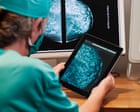
Cancer Diagnoses in England Reach Unprecedented Numbers
The latest NHS data reveals that cancer diagnoses in England have surged to record-breaking levels, with more than 1,000 individuals receiving a diagnosis each day. This milestone represents a significant increase in detection rates across the country, reflecting both improved screening protocols and the growing prevalence of the disease.
Health officials acknowledge that while cancer diagnoses in England continue to climb, the healthcare system faces considerable challenges in managing these cases efficiently. The volume of new diagnoses places unprecedented pressure on diagnostic facilities and treatment centers nationwide.
Growing Mismatch Between Detection and Treatment
Despite identifying more cancer cases than ever before, medical experts emphasize that the NHS is failing to achieve established timescale targets for both diagnosis confirmation and treatment initiation. This disconnect between rising detection rates and slower-than-expected treatment pathways raises concerns about patient outcomes and disease progression.
The health service's inability to meet clinical targets suggests that capacity constraints are limiting rapid treatment delivery. Specialists warn that delays in commencing therapy can significantly impact prognosis, particularly for aggressive cancer types requiring immediate intervention.
The Screening Paradox
While improved cancer screening programs have successfully identified more cases, the same infrastructure has not been adequately expanded to handle the resulting demand. NHS resources appear stretched thin as the organization attempts to balance increased diagnostic capacity with adequate treatment availability.
Cancer diagnoses in England have increased due to better awareness campaigns, more accessible screening programs, and an aging population. However, these positive developments in detection have exposed gaps in the system's ability to process and treat patients within recommended timeframes.
Impact on Patient Care and Outcomes
The delays in cancer diagnosis completion and treatment commencement have direct implications for patient survival rates and quality of life. Experts emphasize that timely intervention remains critical for improving long-term outcomes across most cancer types.
Healthcare professionals note that longer waits between diagnosis and treatment can lead to disease advancement, requiring more intensive interventions and potentially reducing survival prospects. The current situation underscores the need for comprehensive system investment.
NHS Challenges and Future Outlook
The NHS faces mounting pressure to expand its oncology services, including diagnostic imaging capacity, laboratory facilities, and treatment centers. Meeting the demand created by record cancer diagnoses in England requires substantial resource allocation and workforce development.
Medical leaders advocate for increased funding to address the bottlenecks that currently slow diagnosis and treatment processes. Without targeted investment, the gap between identifying cancer cases and providing timely treatment will likely continue widening.
Experts stress that addressing this challenge requires coordinated efforts across multiple healthcare sectors, including primary care, diagnostic services, and specialized cancer treatment facilities. The situation demands urgent policy attention and financial commitment to prevent patient outcomes from deteriorating further.