British Ebola Patient Airlifted to London Hospital
British healthcare worker evacuated from DR Congo with Ebola arrives at Royal Free Hospital in London for specialist isolation treatment.
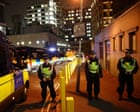
Healthcare Professional Returns to UK with Ebola Diagnosis
A British healthcare professional who contracted Ebola while working in the Democratic Republic of the Congo has been airlifted back to the United Kingdom to receive advanced medical care. The Ebola patient evacuated from the African nation arrived at a leading UK medical facility following a coordinated medical emergency response. The patient's identity remains confidential as per standard medical protocols, with authorities prioritizing their privacy during treatment.
The Department of Health and Social Care confirmed the arrival on Thursday, marking a significant development in the case. The individual had been providing essential support to the outbreak response efforts in the DRC before testing positive for the virus. This Ebola patient evacuated procedure demonstrates the international cooperation and specialized medical infrastructure available for such critical cases.
Specialized Treatment at Royal Free Hospital
The patient is now receiving comprehensive care within a highly specialized isolation unit at the Royal Free Hospital, situated in Hampstead, north London. This facility represents one of Europe's most advanced centers for managing high-consequence infectious diseases. The Royal Free Hospital's isolation ward has been specifically designed to treat patients with the most dangerous pathogens while maintaining the highest safety standards for both medical staff and the surrounding community.
The infrastructure at this London hospital includes state-of-the-art containment measures, advanced life support systems, and dedicated teams of specialists trained in managing Ebola cases. The Ebola patient evacuated to this facility will benefit from continuous monitoring and the latest therapeutic interventions available to medical professionals. The hospital has previously treated similar cases and has established protocols for managing patients with severe viral hemorrhagic fevers.
Medical Evacuation Process and Protocol
The transportation of the patient from the Democratic Republic of the Congo to the United Kingdom was conducted through a specialized medical evacuation flight equipped with appropriate containment and isolation measures. These flights are specifically configured to safely transport patients with highly infectious diseases while minimizing any risk to flight crew and aviation personnel. The medical team aboard the aircraft maintained continuous care during the journey, ensuring the patient's condition remained stable throughout the flight.
The evacuation procedure follows established international protocols for managing healthcare workers and medical professionals who contract infectious diseases while providing humanitarian assistance. The decision to repatriate this Ebola patient evacuated from Africa reflects the UK's commitment to providing world-class medical treatment for its citizens. The coordination between British authorities, medical institutions, and international health organizations ensured a seamless and secure transfer process.
Context of the DRC Ebola Outbreak
The Democratic Republic of the Congo has experienced multiple Ebola outbreaks in recent years, with healthcare workers representing a significant proportion of confirmed cases. These medical professionals face considerable occupational exposure risks while managing patients during outbreak situations. The incident involving this British healthcare worker underscores the dangers faced by international medical staff who volunteer their expertise to assist developing nations with epidemic response efforts.
The outbreak in the DRC has prompted international health organizations to deploy additional resources and personnel to affected regions. Healthcare workers like the patient in question play vital roles in implementing infection control measures, patient care, and epidemiological surveillance. Their contributions are crucial to containing transmission and preventing spread to unaffected populations.
Public Health Response and Safety Measures
British health authorities have implemented comprehensive public health protocols in response to the arrival of this Ebola patient evacuated from Africa. The risk to the general UK population has been assessed as extremely low, given the patient's immediate isolation and the controlled medical environment. The Health Security Agency and relevant public health bodies are coordinating with the Royal Free Hospital to ensure all necessary precautions are maintained.
Contact tracing procedures have been initiated for individuals who may have had exposure to the patient during the evacuation process and hospitalization. Healthcare workers at the Royal Free Hospital receive specialized training and protective equipment to minimize transmission risks. The hospital's infection prevention and control team maintains continuous surveillance and implements additional safety protocols as needed throughout the patient's treatment course.
International Medical Cooperation
This case exemplifies the international cooperation and medical excellence required to manage emerging infectious diseases. The repatriation of affected healthcare workers reflects the commitment of developed nations to support their citizens working in humanitarian capacities abroad. The Ebola patient evacuated through this coordinated effort benefits from access to advanced diagnostic capabilities, experimental treatments, and experienced medical teams specialized in managing viral hemorrhagic fevers.
The Royal Free Hospital's experience in treating such cases, combined with ongoing research into Ebola therapeutics, positions UK medical institutions at the forefront of outbreak response and patient management. This case will continue to provide valuable clinical data and insights that contribute to improving global preparedness for future infectious disease threats.