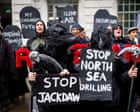
Burnham Reaffirms UK Net Zero Goals Despite Jackdaw Gasfield
PM Burnham commits to 2050 net zero target despite Jackdaw gasfield approval. Government pledges to block new North Sea oil licences to achieve climate goals.

Prime Minister Reinforces Net Zero Commitment Amid Controversy
Prime Minister Andy Burnham has delivered his strongest assurance yet regarding the UK's net zero target, declaring that the government remains steadfastly committed to achieving net zero emissions by 2050. This reaffirmation comes in the wake of the controversial approval of the Jackdaw gasfield development in the North Sea, a decision that has intensified scrutiny of the administration's environmental credentials among climate advocates and opposition politicians.
In a detailed statement published through major media outlets, Burnham emphasised that his administration will not "abandon the responsibility" of confronting the climate crisis, despite the apparent contradiction posed by permitting new fossil fuel extraction projects. The Prime Minister's pledge represents an attempt to reconcile the government's energy security concerns with its long-term environmental obligations.
Government Strategy on North Sea Exploration
A cornerstone of the government's climate strategy involves halting future licensing rounds for oil and gas exploration in the North Sea. By blocking new licences, the administration aims to signal its genuine commitment to the net zero target while managing the immediate energy needs of the nation. This approach suggests a transition strategy that acknowledges current energy demands while setting clear boundaries on future fossil fuel development.
Burnham's commitment to prevent additional North Sea oil licences represents a significant policy position that distinguishes between existing approved projects and future expansions. The distinction proves crucial in understanding the government's broader climate framework, which attempts to phase out new fossil fuel infrastructure while managing the complexities of an economy still dependent on hydrocarbon energy sources.
Addressing Internal Party Doubts
The Prime Minister's latest statement responds to growing concerns within parliamentary ranks, where numerous MPs have privately questioned the authenticity of the government's net zero commitment. The approval of the Jackdaw gasfield had prompted scepticism among climate-conscious legislators who questioned whether such decisions genuinely align with net zero objectives. Burnham's forceful restatement appears designed to quell these internal doubts and reinforce party cohesion on environmental policy.
The timing of this reinforcement proves significant, arriving at a moment when the government faces criticism from multiple directions—both from environmental advocates who oppose any new fossil fuel projects and from those within the party who worry about the credibility of net zero promises. This delicate balancing act reflects the complex political landscape surrounding energy and climate policy in contemporary Britain.
Balancing Energy Security with Climate Goals
The government's position demonstrates an attempt to navigate between immediate energy security requirements and long-term climate objectives. The approval of Jackdaw, while controversial, addresses concerns about domestic energy supply and economic stability. Simultaneously, the pledge to block future North Sea licences attempts to demonstrate environmental responsibility and alignment with international climate commitments.
This strategy acknowledges that achieving net zero by 2050 requires a gradual transition rather than immediate cessation of all fossil fuel operations. The government argues that managing this transition effectively depends on maintaining stable energy supplies while simultaneously investing in renewable infrastructure and emerging technologies. The net zero target remains achievable, according to this perspective, through careful sequencing of policy decisions that consider both environmental and economic factors.
Political Context and Climate Leadership
Burnham's resolute language regarding the net zero target reflects broader concerns about Britain's position in global climate leadership. The UK has previously positioned itself as an environmental leader internationally, hosting climate summits and setting ambitious emissions reduction targets. The government appears determined to maintain this reputation despite domestic policy decisions that could appear contradictory to outside observers.
The Prime Minister's article and public statements serve to reestablish the government's environmental credentials among both domestic constituencies and international partners. By emphasising the unwavering determination to achieve net zero by 2050, the administration attempts to demonstrate that individual project approvals do not undermine the broader climate strategy. This narrative positioning remains essential for maintaining political support among climate-conscious voters and environmental organisations.
Implementation Pathway Forward
The government's framework suggests that achieving the net zero target depends on multiple complementary policies beyond simply blocking new North Sea licences. These likely include accelerated deployment of renewable energy sources, support for emerging technologies like hydrogen and carbon capture, and investment in grid modernisation. The specific mechanisms for delivering the net zero target will require ongoing refinement and parliamentary scrutiny as the transition accelerates.
Burnham's commitment extends beyond rhetorical assurance; it represents a policy stance that will shape government decisions and resource allocation across multiple departments over coming years. The credibility of this commitment will ultimately depend on translating promises into measurable progress toward the 2050 net zero deadline, with regular progress checks and accountability mechanisms to ensure targets remain achievable.