Jackdaw Gasfield Approval Sparks Climate Backlash
Climate activists condemn UK government's Jackdaw gasfield approval, citing threats to climate targets. Energy secretary considers rejecting larger Rosebank oilfield project.
Government Approves Jackdaw Gasfield Despite Climate Concerns
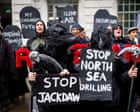
The UK government's recent decision to greenlight the Jackdaw gasfield approval has triggered fierce opposition from environmental organizations and climate advocates. The authorization to proceed with drilling operations represents a contentious policy move that environmentalists argue directly contradicts the nation's climate commitments and sustainability objectives.
Energy companies have long pursued the Jackdaw gasfield project as part of broader North Sea development strategies. However, the Jackdaw gasfield approval comes at a time when the government faces mounting pressure to demonstrate genuine climate action. Critics contend that permitting new gas extraction undermines the credibility of net-zero pledges and signals wavering resolve on environmental protection.
Climate Targets at Risk, Campaigners Warn
Environmental groups have raised alarming concerns that the Jackdaw gasfield approval will compromise Britain's legally binding climate targets. The drilling operation would extend gas production for decades, locking in fossil fuel dependency during a critical period when renewable energy capacity should be accelerating.
Campaigners emphasize that approving new gas infrastructure conflicts with the transition away from hydrocarbons. They argue the government should redirect investment toward wind, solar, and other sustainable energy sources rather than perpetuating reliance on finite carbon-intensive resources. The Jackdaw gasfield approval contradicts established climate science demonstrating that new fossil fuel projects are incompatible with limiting global temperature rise.
Energy Bills and Cost of Living Concerns
Proponents initially justified gas field development by claiming it would moderate energy prices and alleviate household cost pressures. However, critics dispute this rationale, noting that global market forces—not domestic production—primarily determine energy bills. The Jackdaw gasfield approval fails to address root causes of the cost-of-living crisis, they contend.
The delay in bringing new gas online means short-term price impacts remain minimal. Simultaneously, renewable energy expansion offers more sustainable pathways toward affordable, stable electricity costs. Environmental organizations argue the government squandered an opportunity to prioritize genuine economic relief through green energy investment rather than endorsing the Jackdaw gasfield approval.
Potential Victory: Rosebank Oilfield Facing Rejection
Amid disappointment over the Jackdaw gasfield approval, climate advocates see potential momentum regarding the significantly larger Rosebank oilfield project. Energy Secretary Miatta Fahnbulleh reportedly leans toward rejecting the Rosebank development, signaling possible recalibration of fossil fuel policy.
The Rosebank oilfield represents a substantially larger carbon footprint than Jackdaw operations. A rejection would demonstrate meaningful climate commitment and reverse the trajectory suggested by the Jackdaw gasfield approval. Environmental groups view this as a critical test of government resolve on emission reduction.
Political Implications and Climate Strategy
The government's divergent approaches to Jackdaw and Rosebank reveal internal tensions regarding energy policy direction. The Jackdaw gasfield approval represents continued investment in gas infrastructure, yet potential Rosebank rejection could indicate shifting priorities toward climate considerations.
Environment Correspondent Matthew Taylor explored these developments in conversation with Michael Safi, examining the contradictions inherent in approving one major fossil fuel project while potentially blocking another. This analysis highlights the complex political calculations surrounding energy security, climate responsibility, and economic considerations that inform government decision-making.
Looking Forward: Energy Policy Crossroads
The Jackdaw gasfield approval places Britain at a critical juncture in energy transition strategy. Stakeholders across environmental, industrial, and political sectors grapple with fundamental questions about fossil fuel dependence, renewable capacity expansion, and climate obligation fulfillment.
Whether the government ultimately rejects Rosebank will signal whether the Jackdaw gasfield approval represents confirmed policy direction or a temporary deviation from climate priorities. Either outcome will substantially shape Britain's energy landscape for decades and influence international perceptions of UK climate leadership during critical years for global emission reduction efforts.