Burnham Faces Pressure to Strengthen Response Against Russian Threats
Opposition parties urge Andy Burnham to adopt urgent measures against Russian threats, following Macron's protective stance on critical infrastructure security.
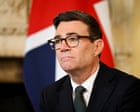
Burnham Under Scrutiny for Russian Threat Response
Andy Burnham, the prominent UK political figure, has come under increased scrutiny from opposition parties regarding his approach to Russian threats. The pressure intensifies as French President Emmanuel Macron has already implemented comprehensive measures to safeguard the country's critical infrastructure against potential security risks. Opposition lawmakers argue that the UK must adopt a similarly urgent and decisive stance on Russian threats to protect national security interests.
Macron's Protective Measures Set New Standard
French President Emmanuel Macron has previously outlined various protective mechanisms designed to strengthen France's critical infrastructure defenses. These proactive measures underscore the importance of maintaining robust security protocols in response to evolving geopolitical challenges. The implementation of such strategies demonstrates a commitment to national resilience and preparedness against external threats. Critics suggest that the United Kingdom should follow this example and demonstrate comparable urgency in addressing Russian threat assessments.
Opposition Calls for Enhanced Security Framework
Members of opposition parties have vocalized their concerns regarding the current approach to Russian threats and security policy. They contend that Andy Burnham should implement more aggressive and comprehensive measures to protect critical national assets. The debate reflects broader anxieties about cybersecurity vulnerabilities, infrastructure protection, and the evolving nature of international security challenges. Opposition representatives emphasize that delayed action could expose the country to unnecessary risks and compromise national defense capabilities.
Critical Infrastructure Protection Priorities
The protection of critical infrastructure represents a fundamental aspect of national security strategy. Essential systems including energy networks, transportation systems, telecommunications infrastructure, and water management facilities require substantial safeguarding measures. These components form the backbone of economic stability and public welfare. Experts across the security sector recommend establishing multi-layered defense systems and continuous monitoring protocols to identify and neutralize potential vulnerabilities before they can be exploited.
International Diplomatic Context
Notably, during a recent meeting at No 10 North, Micheál Martin, the Irish Taoiseach, engaged with key UK political figures on various matters of international concern. The discussion touched upon humanitarian values and security considerations affecting multiple nations. Martin acknowledged the UK government's stance on Middle East issues, particularly regarding Palestinian rights and settlement sanctions. This diplomatic exchange underscores the interconnected nature of global security concerns and the importance of coordinated international responses to complex geopolitical situations.
Youth Engagement in Political Discourse
The UK Youth Parliament, established in 1999, continues to play a vital role in democratic engagement and representation. This organization facilitates democratic participation among young citizens aged 11 to 18, with over 300 members elected by their peers to represent regional interests. These young representatives engage in substantive debates and campaigns addressing numerous policy areas. The annual debate held in the House of Commons chamber provides youth with direct access to the legislative process and demonstrates commitment to intergenerational political participation and democratic accountability.
Broader Security Implications
The current discussions surrounding Russian threats and security preparedness reflect heightened international tensions and evolving threat landscapes. Security analysts emphasize that proactive measures, rather than reactive responses, prove most effective in preventing potential incidents. Comprehensive threat assessments, infrastructure audits, and coordinated defense strategies constitute essential components of modern national security frameworks. The emphasis on following Macron's example highlights recognition that international threats demand immediate, decisive action rather than gradual implementation approaches.
As opposition parties continue advocating for enhanced security measures against Russian threats, the debate surrounding Andy Burnham's policy approach remains central to UK political discourse. The expectation for urgent action reflects broader public concerns about national security and protection of essential services. Moving forward, policymakers must balance proactive security measures with transparent communication to ensure public confidence in protective frameworks.