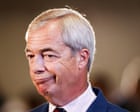
Nigel Farage Ends Telegraph Column Amid Ownership Shift
Nigel Farage's regular Telegraph column comes to an end under new ownership. The Reform UK leader departs as other right-wing figures leave the publication.
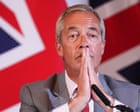
Nigel Farage's Telegraph Column Comes to an End
Nigel Farage will no longer contribute his regular column to the Telegraph, joining a growing list of prominent conservative voices departing the prestigious publication following its recent change in ownership. The Reform UK leader's decision to step down from his columnist role marks another significant shift in the newspaper's editorial landscape under its new proprietors.
Sources offer conflicting accounts regarding the circumstances surrounding Nigel Farage's departure from the Telegraph. Some insiders suggest that the newspaper's management terminated the contract, while others close to the Reform UK politician indicate that Farage himself made the decision to resign from his regular writing position.
Recent Contributions and Policy Positions
Until just last week, Nigel Farage maintained an active presence as a Telegraph columnist, using his platform to critique recent political developments. In his most recent contribution, the Reform leader focused on dismantling the inaugural budget presented by Prime Minister Andy Burnham, offering pointed commentary on the administration's fiscal priorities and legislative agenda.
Through his Telegraph column, Farage articulated several key policy objectives aligned with Reform UK's political platform. He pledged to implement measures designed to eliminate welfare provisions available to foreign nationals, positioning this as a cornerstone initiative. Additionally, the columnist advocated for the termination of net zero environmental targets, representing a significant departure from mainstream climate policy discussions. Farage also called for substantial reductions in foreign aid expenditure, arguing for a reallocation of government resources toward domestic priorities.
Part of Broader Editorial Exodus
Nigel Farage's departure from the Telegraph represents part of a larger phenomenon affecting the publication under its new ownership structure. Multiple other prominent right-wing figures and conservative voices have similarly departed from the newspaper's contributor roster during this transitional period. This exodus reflects underlying tensions between the incoming proprietors and established columnists regarding editorial direction, political alignment, or contractual terms.
The Telegraph has long served as a significant platform for conservative commentary and analysis within the British media landscape. The newspaper's columnist roster traditionally featured influential voices from the right wing of British politics, making changes to this lineup particularly noteworthy for observers of UK media and politics.
Impact on Reform UK Leadership
As leader of Reform UK, Nigel Farage's media presence extends beyond newspaper columns to encompass television appearances, radio interviews, and social media engagement. The loss of his Telegraph platform removes one high-profile outlet for expressing party positions and policy critiques, though the Reform leader maintains multiple channels for communicating with the British public and maintaining political influence.
The circumstances of Farage's departure from the Telegraph remain subject to interpretation depending on which sources observers find credible. Clarification regarding whether the newspaper initiated the separation or whether Farage made an independent decision could provide important context for understanding his media strategy and his relationship with the publication's new management.
Conclusion
Nigel Farage's exit from the Telegraph column represents a notable development in British media and political circles. Whether the result of management decision or personal choice, the departure underscores ongoing changes within the newspaper industry and the evolving landscape for conservative political commentary. As the Reform UK leader continues his political activities, his reduced presence in traditional print media may prompt shifts in how his party communicates policy positions to a broader audience.