178 New Measles Cases Surge Amid US Outbreak Crisis
CDC reports 178 additional measles cases this week with 4,588 total cases nationwide. Outbreak affects 43 regions amid vaccine concerns.
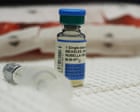
Measles Cases Outbreak Reaches Critical Levels Across America
The Centers for Disease Control and Prevention disclosed this week that an additional 178 measles cases have been identified throughout the United States, intensifying concerns about the ongoing measles cases outbreak that continues to impact vulnerable populations nationwide. Federal health authorities documented a total of 4,588 confirmed cases across the country, representing a dramatic increase compared to previous years and signaling an escalating public health emergency.
Weekly Surge Highlights Alarming Trend
This latest update reflects the weekly progression of the measles cases outbreak, which now encompasses at least 43 distinct outbreaks spanning multiple states and communities. The 178 newly reported cases demonstrate the virus's persistent transmission despite ongoing containment efforts by public health officials. Epidemiologists warn that without significant intervention, the trajectory could continue to worsen, particularly in areas with lower vaccination coverage rates.
CDC Response and Transparency Concerns
The Centers for Disease Control and Prevention has come under scrutiny from medical professionals and public health experts who question the agency's communication strategies regarding the measles cases outbreak. Critics argue that more transparent and frequent reporting would enable healthcare providers and communities to respond more effectively to the spreading infection. The CDC maintains that its current reporting framework provides accurate epidemiological data while acknowledging the urgency of the situation.
Data Collection Methodology
Federal health authorities employ standardized diagnostic protocols to confirm measles cases, utilizing laboratory testing and clinical assessment criteria established by infectious disease specialists. The agency coordinates with state health departments to compile comprehensive statistics about the measles cases outbreak, ensuring consistency in data collection across diverse jurisdictions and healthcare settings.
Vaccine-Preventable Disease Resurgence
Measles, classified as a vaccine-preventable disease, typically affects individuals lacking appropriate immunization status. The current surge of confirmed measles cases reflects broader patterns of declining vaccination rates in certain communities. Public health officials emphasize that the measles-mumps-rubella vaccine remains highly effective at preventing infection, with nearly complete protection following two-dose administration protocols.
Vaccination Coverage Disparities
Regional variations in immunization rates have created pockets of vulnerability where the measles cases outbreak can flourish. Communities with vaccination coverage below 95% face substantially elevated risk of sustained transmission chains. Health departments have intensified outreach campaigns to encourage vaccination uptake among unvaccinated and partially vaccinated populations.
Healthcare System Preparedness
Hospitals and clinics nationwide have implemented enhanced protocols to manage patients presenting with measles-related complications. Medical professionals report increased demand for diagnostic testing and isolation facilities as the measles cases outbreak continues expanding. Healthcare workers receive updated training on infection control measures specific to this highly contagious pathogen.
Policy Implications and Infrastructure Changes
Recent statements from high-level health department officials indicate potential restructuring of vaccination programs and disease surveillance infrastructure. These proposed modifications have generated significant debate within the medical and scientific communities regarding optimal approaches to maintaining public health protections during the measles cases outbreak. Stakeholders express varying perspectives on how such changes might affect immunization accessibility and disease prevention capabilities.
Public Health Guidance and Prevention Measures
Federal authorities recommend that individuals verify their measles immunization status and consult healthcare providers about potential vaccination needs. People exposed to confirmed measles cases should monitor for symptoms including fever, cough, runny nose, and characteristic rash development. Early medical intervention can reduce severity of illness and prevent transmission to vulnerable individuals including infants and immunocompromised persons.
Symptom Recognition
Medical professionals advise the public to seek immediate healthcare evaluation if experiencing symptoms consistent with measles exposure. Early identification enables prompt isolation and prevents further community transmission during the ongoing measles cases outbreak.
Looking Forward
Public health trajectory depends substantially on collective vaccination efforts and adherence to preventive protocols. As the measles cases outbreak persists, continued monitoring and rapid response mechanisms remain essential components of the federal response strategy. Healthcare authorities encourage community engagement in prevention initiatives to reduce case incidence and protect population-level health security.