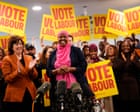
Wes Streeting Reports Extensive Homophobic Abuse as Defence Secretary
Defence Secretary Wes Streeting reveals significant homophobic harassment following his appointment. He discusses breaking stereotypes and inclusion in the UK military.

Defence Secretary Confronts 'Unbelievable Volume' of Homophobic Abuse
Wes Streeting, who assumed the role of Defence Secretary last month, has made public statements regarding the substantial amount of homophobic abuse he has encountered since taking office. This homophobic abuse represents a concerning challenge to his position, yet Streeting has framed his appointment as an opportunity to demonstrate institutional strength and actively challenge stereotypes that continue to persist in obscure corners of the internet and beyond.
The Defence Secretary's remarks come at a significant moment for the Ministry of Defence (MoD), as his appointment has reportedly been received positively by certain sections within the organization as a tangible symbol of organizational change and progressive values. Despite the negative attention he has received, Streeting appears committed to using his platform to address these issues directly.
Historical Context: Military Service and Sexual Orientation
The broader conversation surrounding Streeting's experience must be understood within the historical context of UK military policy. Prior to the year 2000, the British armed forces maintained an explicit prohibition against gay men and lesbian women serving in the military. This discriminatory policy resulted in the forced removal of hundreds of service members annually based solely on their sexual orientation.
Historical records indicate that approximately 200 or more military personnel were discharged each year during this period as a direct consequence of their sexuality. However, these figures represent an estimate only, as comprehensive documentation was not systematically maintained at the time. This lack of proper record-keeping has meant that the true scale of the exclusionary policies remains somewhat unclear, though the human cost was undoubtedly substantial.
Progress and Ongoing Challenges
The lifting of the ban more than two decades ago marked a significant milestone for the UK military, yet Streeting's experience suggests that institutional attitudes have not evolved uniformly across all levels. While formal policies have changed substantially, cultural attitudes within certain segments of society, particularly in online spaces, continue to reflect outdated perspectives and discriminatory views.
Streeting's willingness to publicly acknowledge the homophobic abuse he faces sends an important signal about his determination to confront prejudice head-on. Rather than allowing such harassment to operate in silence, he has chosen to bring attention to the issue, effectively challenging those who harbor such views to reconsider their positions.
The Significance of Representation
The appointment of Streeting as Defence Secretary holds symbolic importance for the armed forces and broader society. His presence in this high-profile position demonstrates that individuals from marginalized communities can achieve positions of significant authority and responsibility within traditionally conservative institutions. This representation matters both practically and symbolically.
For current and prospective military personnel from LGBTQ+ backgrounds, Streeting's role models the possibility of advancement and acceptance, even if pockets of resistance remain. His public stance on the homophobic abuse he has received demonstrates a commitment to accountability and social progress within military structures.
Online Harassment and Societal Reflection
The prevalence of homophobic abuse directed at Streeting, particularly in digital spaces, reflects broader societal tensions regarding LGBTQ+ inclusion and acceptance. While mainstream institutions have made formal commitments to equality and non-discrimination, online platforms continue to host communities where discriminatory attitudes thrive with relative anonymity.
Streeting's characterization of the abuse volume as 'unbelievable' underscores the intensity and scale of coordinated harassment. This observation raises important questions about online accountability, platform responsibility, and the psychological toll such campaigns place on public figures who break traditional barriers.
Moving Forward
As Defence Secretary, Streeting's approach to navigating homophobic abuse while simultaneously pushing for greater institutional inclusion sets a precedent for how future leaders might address similar challenges. His dual focus on demonstrating strength while actively confronting stereotypes suggests a strategy of engagement rather than dismissal.
The Ministry of Defence will likely face continued scrutiny regarding its cultural transformation and commitment to creating inclusive environments for all service members, regardless of sexual orientation or gender identity. Streeting's tenure provides an opportunity to assess whether substantive progress can match formal policy commitments.