
Virgin Pursues Approval to Launch Channel Tunnel Rail Services
Virgin seeks regulatory clearance to operate Channel Tunnel rail services with up to 20 daily European journeys. Discover the latest developments in cross-Channel transportation.
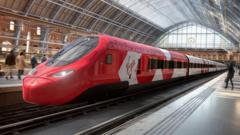
Virgin Advances Plans for Channel Tunnel Rail Services
The transport operator has taken significant action toward establishing Channel Tunnel rail services, marking a pivotal moment in European rail connectivity. The ambitious initiative proposes operating up to twenty daily journeys connecting the United Kingdom with continental destinations, pending necessary regulatory approvals for international rail infrastructure.
What the Expansion Means for Cross-Channel Travel
This proposed service expansion represents a substantial development in Channel Tunnel operations and continental rail accessibility. The operator's strategy involves deploying multiple daily trains across the existing infrastructure, with journeys scheduled to accommodate both business and leisure passengers throughout Europe. The frequency of up to twenty departures daily would position this service as a competitive alternative to existing travel options between Britain and the European continent.
Regulatory Requirements and Approval Process
Before full implementation becomes possible, the organization must obtain additional authorization specifically for utilizing overseas track networks. These approvals are essential given the international nature of Channel Tunnel rail services and the complexity of operating across different national rail systems. Regulatory bodies in both the United Kingdom and European nations must evaluate safety standards, operational procedures, and infrastructure compatibility before granting permission to proceed.
The Current State of Channel Tunnel Transportation
The Channel Tunnel has served as a critical transportation corridor since its opening, primarily accommodating freight services and passenger vehicles through existing railway operators. The introduction of a new provider would increase competition and potentially offer passengers enhanced choice and service options. European rail routes continue to evolve as demand for sustainable, efficient transportation alternatives grows across the continent.
Infrastructure and Operational Considerations
Implementing Channel Tunnel operations on this scale requires careful assessment of track capacity, scheduling coordination, and maintenance protocols. The existing tunnel infrastructure was designed to accommodate multiple service providers, though adding a significant new operator necessitates comprehensive planning. The proposed schedule of daily journeys demands sophisticated timetabling systems to prevent conflicts with current services and ensure reliable passenger experiences.
Strategic Importance for Cross-Channel Connectivity
This development holds substantial implications for cross-Channel transportation infrastructure and the broader European mobility landscape. Increased service frequency and competition typically benefit travelers through improved schedules, competitive pricing, and enhanced service quality. The initiative demonstrates continued confidence in rail as a primary mode of international transport and reflects growing environmental awareness regarding sustainable travel alternatives.
Economic and Environmental Impact
Rail services across the Channel contribute significantly to reducing carbon emissions compared to alternative transportation methods. By expanding Channel Tunnel rail services capacity, the initiative supports environmental objectives while providing economically viable travel options. The potential creation of employment opportunities throughout the operational framework—from train crews to support staff—adds economic value to both British and European regions.
Looking Forward: Next Steps in the Approval Process
The organization must navigate a complex approval framework involving multiple jurisdictions and regulatory agencies. This process typically examines technical specifications, safety protocols, financial viability, and operational capacity. Once approvals are granted, implementation would require investment in rolling stock, staff training, and scheduling systems to ensure seamless integration with existing Channel Tunnel operations.
The progression toward establishing these services represents a significant milestone in European rail development, with potential to reshape cross-Channel travel patterns for years to come. Stakeholders across the transport industry will monitor regulatory decisions closely as this initiative advances through the approval process.


