
US Treasury Chief Warns Iran of Unprecedented Economic Isolation
Scott Bessent declares the US will completely cut economic ties with Iran and warns that nations partnering with the country will face isolation.
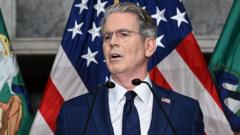
Unprecedented Economic Pressure on Iran Announced
The United States has escalated its financial stance toward Iran, with top government officials declaring an unprecedented economic offensive against the nation. Scott Bessent, serving as the US Treasury Secretary, has made bold statements regarding the country's commitment to severing all economic ties with Iran and implementing measures that would extend consequences to any nation willing to provide financial support to Tehran.
This declaration represents a significant intensification of existing economic policies and marks a critical moment in US-Iran relations. The Iran economic sanctions regime is being reinforced with renewed determination from Washington's highest financial authorities, signaling a comprehensive approach to isolating the Iranian economy on the global stage.
Isolation Strategy Extends Beyond Iran
The Treasury Secretary's statements indicate that the economic warfare strategy will not be limited to Iran itself. Any country that attempts to establish or maintain financial partnerships with the Iranian government will face consequences and isolation from American economic systems. This approach demonstrates a broader geopolitical strategy designed to create a unified front against Iran's economic activities.
Such policies are expected to impact international banking relationships, trade agreements, and investment flows. Nations that engage in financial dealings with Iran risk being excluded from critical global economic networks, including access to the US dollar system and international banking mechanisms. The warning serves as a deterrent to potential partners considering economic collaboration with Tehran.
The Scope of Economic Severance
The declaration of complete economic severance encompasses multiple sectors and financial channels. This includes restrictions on oil exports, sanctions on financial institutions, limitations on currency exchanges, and controls on international payment systems. The comprehensive nature of these measures reflects a deliberate effort to constrain Iran's ability to participate in global commerce.
The Treasury Secretary's office has indicated that these policies will be implemented with strict enforcement mechanisms. Financial institutions worldwide are being advised of the implications of conducting business with Iranian entities, emphasizing the serious consequences that may result from non-compliance with the established economic parameters.
International Implications and Responses
The announcement of this intensified Iran economic sanctions regime raises questions about how international partners will respond. Some nations have expressed concerns about the extraterritorial application of US financial policies, while others have indicated support for stronger measures against Iran.
The strategy places countries in a difficult position, requiring them to choose between maintaining relationships with the United States or engaging in limited economic activities with Iran. This binary choice reflects the escalatory nature of current geopolitical tensions and the strategic importance assigned to isolating Iranian financial systems.
Historical Context of US-Iran Economic Relations
The current offensive represents an evolution of long-standing economic policies. Previous administrations have implemented various sanctions regimes, but the current declaration suggests a more comprehensive and coordinated approach. The timing and intensity of these statements indicate heightened concerns within the US government about Iran's regional activities and nuclear program.
The Treasury Secretary's language—describing this as the "greatest financial offensive ever"—underscores the unprecedented nature of the current strategy compared to historical precedents. This rhetorical emphasis suggests that policymakers view the situation as requiring exceptional measures beyond traditional economic diplomacy.
Enforcement Mechanisms and Implementation
The implementation of such comprehensive economic isolation requires coordination across multiple government agencies and international partners. The Treasury Department, State Department, and Commerce Department are expected to work in tandem to enforce the sanctions regime and track compliance by financial institutions.
International financial networks, including SWIFT and other payment systems, become critical tools in enforcing the Iran economic sanctions policy. Banks and financial institutions worldwide face pressure to comply with regulations or risk severe penalties, including being cut off from American financial systems themselves.
Future Outlook and Strategic Considerations
The declaration suggests that the US government views the current economic measures as part of a long-term strategy rather than a temporary measure. The commitment to complete economic severance indicates that officials expect these policies to remain in place for an extended period.
The impact on global oil markets, international trade, and regional stability remains a subject of significant analysis among policymakers and economists. The Treasury Secretary's statements have reinforced the seriousness of US resolve in pursuing this unprecedented economic offensive against Iran, setting the stage for continued economic pressure on Tehran.


