
US Retaliates Against Iran Following Strait of Hormuz Tanker Attacks
The United States launches military strikes on Iran following tanker incidents in the Strait of Hormuz. US aims to impose heavy costs while Iran threatens decisive countermeasures.
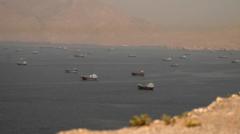
United States Launches Military Response Following Strait of Hormuz Incident
The Strait of Hormuz tanker attacks have triggered a significant escalation in regional tensions as the United States initiates a series of military strikes against Iran. The coordinated action represents a direct response to recent incidents involving commercial vessels in one of the world's most critical maritime chokepoints.
American officials have characterized the strikes as a calculated effort to impose substantial economic and military consequences on Iranian operations. The decision to proceed with military action followed careful deliberation among national security advisors and military leadership, who determined that a strong response was necessary to protect international shipping lanes and maintain stability in the region.
Iranian Threats and Regional Escalation
In response to the US military action, Iranian officials have issued stern warnings indicating their intention to implement what they describe as "decisive measures." This rhetoric signals that Tehran views the American strikes as a serious provocation that demands a proportional or escalatory response from the Iranian government.
The escalating cycle of military action and counterthreats underscores the fragile security situation in the Persian Gulf. Both nations appear committed to their respective positions, raising concerns among international observers about the potential for further conflict expansion.
Impact on Global Oil Markets and Shipping
The Strait of Hormuz tanker attacks have sent ripples through international energy markets and maritime commerce. Approximately one-third of global maritime oil trade transits through these waters, making any disruption a matter of international concern. Insurance premiums for vessels operating in the region have increased substantially as companies reassess operational risks.
Commercial shipping operators face difficult decisions regarding route planning and security protocols. Some maritime companies have begun routing vessels around the Cape of Good Hope, adding significant time and expense to their operations. This alternative routing reflects the heightened risk assessment in the immediate aftermath of recent incidents.
Strategic Considerations and Military Positioning
The US military presence in the Persian Gulf has been reinforced to demonstrate commitment to freedom of navigation and protection of international commerce. Naval assets have been repositioned to monitor the Strait of Hormuz tanker traffic more closely and provide rapid response capabilities if additional incidents occur.
American defense officials have emphasized that military operations are designed to deter future attacks and protect vital economic interests. The strikes target what US military analysts describe as Iranian Revolutionary Guard Corps facilities and infrastructure used to coordinate attacks against commercial shipping.
International Community Response
Global leaders have monitored developments with considerable apprehension, recognizing the potential for regional conflict to disrupt international stability. European nations have called for diplomatic solutions and de-escalation measures. Various international bodies have urged both the United States and Iran to pursue dialogue rather than military confrontation.
The United Nations has expressed concern about the escalating cycle of military action and retaliation. Observers note that historical precedent suggests such cycles, if left unchecked, can spiral into broader conflicts affecting numerous nations and causing substantial humanitarian consequences.
Economic and Energy Implications
Global oil prices have shown volatility in response to the Strait of Hormuz tanker crisis and subsequent military actions. Markets are sensitive to any indication of sustained disruption in oil supply chains. Energy-dependent nations, particularly in Europe and Asia, are monitoring the situation closely given potential implications for fuel costs and economic growth.
The insurance and shipping industries are reassessing their operations and costs. Container vessel operators report increased security expenses and insurance premiums. These costs ultimately affect global supply chains and consumer prices for imported goods.
Looking Forward
Both nations face critical decisions regarding next steps. The success or failure of diplomatic channels in the coming days will significantly influence the trajectory of US-Iran relations and broader regional stability. Military and political leaders on both sides must carefully weigh the consequences of further escalation against the benefits of pursuing negotiated settlements.
International mediation efforts are reportedly underway, though concrete progress remains limited. The situation remains fluid, with potential for both further military action and diplomatic breakthrough. Stakeholders worldwide await clarity on whether these developments represent a temporary escalation or the beginning of sustained conflict in this strategically vital region.


