
UK's Last Virgin Steel Producer Enters State Control Amid Economic Pressures
British Steel enters public ownership as the UK's sole remaining virgin steel manufacturer faces financial challenges. Discover why nationalisation became necessary for the industry.
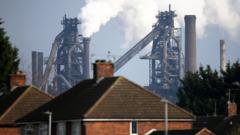
British Steel Enters Public Ownership: A Turning Point for UK Manufacturing
The United Kingdom's final facility dedicated to producing virgin steel has transitioned into state control following prolonged deliberation regarding its operational viability. This significant development marks a crucial moment for British Steel nationalisation and the nation's steel sector, as the government stepped in to preserve this essential industrial asset from potential collapse.
The Historical Context of Steel Manufacturing in Britain
Britain once dominated global steel production, with dozens of facilities operating across the country. However, decades of industrial restructuring, competitive pressures from international markets, and economic fluctuations have systematically reduced domestic capacity. The remaining facility represents the last bastion of virgin steel production on British soil, making its preservation strategically important for national manufacturing independence.
From Private to Public Stewardship
Prior to this transition, the facility had operated under private ownership, navigating treacherous financial waters that threatened its viability. Years of uncertainty plagued stakeholders, employees, and supply chain partners who depended on continuous operations. The path toward British Steel nationalisation became increasingly apparent as financial pressures mounted and private sector solutions failed to materialize.
Why State Control Became Necessary
Several interconnected factors contributed to the government's decision to assume ownership of this critical manufacturing asset. The UK steel industry has faced relentless headwinds, including elevated energy costs, import competition, and volatile global commodity prices that compressed profit margins to unsustainable levels.
Economic and Strategic Considerations
Government intervention reflected recognition that losing virgin steel production capacity would create dangerous supply chain vulnerabilities. Strategic industries cannot rely exclusively on imported materials, particularly when international geopolitical tensions threaten trade relationships. Maintaining domestic steel manufacturing supports broader economic resilience and ensures continuity for dependent industries ranging from automotive to construction.
Employment and Regional Impact
The facility employs thousands of workers across its operations, making it a cornerstone of regional employment. Communities surrounding the steel plant depend substantially on wages, pension contributions, and associated economic activity. Public ownership protects these jobs while the government develops sustainable operational strategies.
The Broader UK Steel Industry Landscape
This development underscores the precarious state of British manufacturing within the metals sector. Only one facility now produces virgin steel through traditional methods, representing an alarming concentration of production capacity. This vulnerability demands urgent attention from policymakers concerned with maintaining competitive advantage and industrial capability.
Challenges Facing the Sector
The UK steel industry confronts formidable obstacles including energy-intensive production costs significantly higher than competitors in certain jurisdictions, environmental regulations increasing operational expenses, and technological pressures requiring substantial capital investment. These systemic challenges affect profitability across the sector, not merely this single facility.
Competitive Pressures from Global Markets
International competitors, particularly in Asia and Europe, benefit from different cost structures, favorable trade agreements, or government subsidies that UK producers cannot match. These competitive disadvantages have steadily eroded market share and profitability, forcing difficult business decisions and eventual intervention through state ownership steel arrangements.
Government Strategy Moving Forward
Public ownership establishes a foundation for implementing long-term strategic planning that private operators might not pursue under financial duress. The government can invest in modernization, research and development, and workforce development initiatives that strengthen competitiveness without immediate profit pressures.
Modernization and Technology Investment
State control enables substantial capital commitments toward upgrading production facilities, implementing cutting-edge technologies, and developing low-carbon steel production methods. These investments position British steel manufacturing to compete on quality and sustainability rather than solely on price.
Workforce Development Initiatives
Public stewardship facilitates expanded training programs, apprenticeships, and skills development that strengthen the labor force. These investments benefit both current employees and future generations entering manufacturing careers.
Implications for the UK Manufacturing Sector
This nationalisation signals government commitment to preserving industrial capacity within strategic sectors. The steel industry decision may influence policy approaches toward other vulnerable manufacturing segments facing similar pressures. British Steel nationalisation represents a watershed moment for industrial policy in the contemporary UK economy.
Moving forward, the government faces substantial responsibilities in proving that public management can successfully revitalize steel operations while eventually returning the facility to private sector viability. Success requires balancing short-term employment protection with long-term profitability, investing strategically in capabilities, and navigating international trade relationships effectively.


