
Ukrainian Troops Protest Removal of Defence Minister Amid Military Concerns
Ukrainian soldiers express outrage following the removal of Defence Minister Mykhailo Fedorov, with military personnel criticizing the decision amid ongoing tensions.
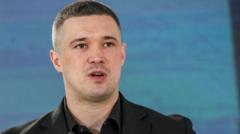
Ukrainian Soldiers Protest Following Defence Minister Removal
Significant unrest emerged within Ukrainian armed forces after the removal of Defence Minister Mykhailo Fedorov, with Ukrainian soldiers openly expressing their dissatisfaction with the governmental decision. Military personnel across various units have voiced strong opposition to the administrative change, citing concerns about the timing and implications for national security.
The dismissal of the defence minister sparked immediate reactions from both civilian protestors and active-duty troops. Ukrainian soldiers, who represent the frontline of the nation's defence operations, have become vocal critics of what many perceive as a controversial leadership decision during a critical period for the country.
Military Personnel Raise Concerns About Leadership Stability
Active service members have articulated their grievances through various channels, with soldiers questioning the rationale behind the removal of the defence minister. The Ukrainian military community has expressed apprehension regarding potential disruptions to strategic planning and operational coordination that could result from such a significant administrative shift.
Ukrainian soldiers have highlighted the importance of maintaining stable leadership within defence structures, particularly given the ongoing challenges facing the nation. Multiple military personnel have communicated their concerns to international media outlets, indicating the depth of dissatisfaction within ranks regarding the decision affecting the defence ministry.
Broader Implications for Ukraine's Defence Strategy
The removal has raised questions about Ukraine's institutional stability and the decision-making processes at the highest governmental levels. Ukrainian soldiers worry that leadership transitions could create uncertainties in military operations and strategic initiatives that have been developed under previous administration structures.
Military analysts suggest that the discontent among Ukrainian soldiers reflects deeper concerns about how defence policy decisions are being implemented and communicated to those responsible for executing them. The vocal criticism from troops indicates that this matter extends beyond bureaucratic reorganization.
Public Response and Political Context
Thursday's protests demonstrated widespread dissatisfaction extending across multiple segments of Ukrainian society. Beyond the military, civilians also took to streets to express opposition to the decision, suggesting significant political ramifications for those responsible for the administrative change.
The government's decision to remove the defence minister has become a focal point for discussions about governance, accountability, and transparency within Ukraine's institutional framework. Ukrainian soldiers have emphasized that their concerns stem from practical considerations about military effectiveness and national security rather than political partisanship.
Military Personnel Demand Clarity and Accountability
Ukrainian soldiers have called for transparent communication regarding the reasons for the removal and the process of selecting a successor. Active military personnel stress that defence ministry operations require clear guidance and stable leadership structures to function effectively.
The criticism from Ukrainian soldiers suggests that the decision-making process may not have adequately considered input from military professionals who understand operational requirements. Many troops believe that such significant administrative changes warrant extensive consultation with defence sector stakeholders before implementation.
Looking Forward: Implications for Defence Operations
As discussions continue regarding the defence minister's removal, Ukrainian soldiers remain focused on maintaining operational capability despite institutional changes. Military personnel have demonstrated commitment to their duties while simultaneously expressing legitimate concerns about leadership decisions affecting their work environment.
The situation underscores the critical importance of maintaining strong communication channels between political leadership and military personnel. Ukrainian soldiers expect that future administrative decisions will benefit from greater input and consideration of how such changes impact defence operations and strategic objectives.
International observers are monitoring the situation closely, recognizing that Ukraine's institutional stability has direct implications for regional security. The vocalization of concerns by Ukrainian soldiers provides valuable insight into how defence policy decisions are perceived by those responsible for implementation on the ground.


