
Ukraine's Strikes Force Fuel Sales Halt in Crimea
Ukraine targets Russian oil facilities in Crimea, halting fuel sales amid ongoing shortages. Latest developments in the military conflict and energy crisis.
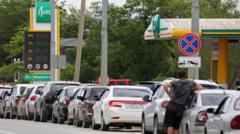
Fuel Sales Suspended Across Occupied Crimea Region
A significant disruption to fuel sales halt Crimea has emerged as a direct consequence of intensive Ukrainian military operations targeting energy infrastructure in the peninsula. The suspension of petroleum distribution represents an escalation in the ongoing conflict between Ukrainian forces and Russian-controlled territories, creating unprecedented shortages in the civilian supply chain.
The decision to restrict fuel availability comes after weeks of mounting pressure on existing inventory levels. Residents and businesses in the Russian-occupied region now face severe limitations on purchasing gasoline and diesel, forcing authorities to implement emergency contingency measures.
Impact of Kyiv's Strategic Operations
Kyiv's military strategy has increasingly focused on disrupting supply lines that sustain Russian operations in occupied Ukrainian territory. By targeting critical oil storage facilities and transportation networks, Ukrainian forces have successfully created bottlenecks that prevent fuel from reaching civilian distribution points.
The attacks on infrastructure have proven particularly effective because they target the vulnerabilities in Russia's logistics network. Supply routes that previously ensured consistent fuel delivery are now compromised, forcing Moscow-backed authorities to ration remaining petroleum stocks.
Fuel Rationing Becomes Necessary
Fuel had already been rationed due to shortages caused by Kyiv's attacks against supply routes in Russian-occupied territories. The situation has progressively deteriorated as Ukrainian operations continue unabated, creating a cascading effect of supply chain failures.
Local authorities have been forced to establish quota systems determining how much fuel each consumer can purchase. These restrictions affect not only private vehicles but also essential services including transportation, heating, and emergency response operations.
Civilian Consequences and Economic Impact
The suspension of fuel sales halt Crimea operations extends beyond mere inconvenience, creating serious economic and social repercussions. Small businesses dependent on reliable fuel supplies face operational shutdowns, while transportation networks struggle with reduced capacity.
Agricultural operations, which require consistent diesel supply for machinery and equipment, have seen productivity decline significantly. Manufacturing facilities operating within the occupied territory must now operate at reduced capacity or cease operations entirely.
Strategic Implications of Energy Warfare
Ukraine's approach to targeting energy infrastructure represents a calculated military strategy designed to weaken Russian capabilities without directly engaging ground forces. By focusing on fuel production and distribution, Ukrainian commanders aim to undermine the operational capacity of Russian military units stationed in occupied regions.
The effectiveness of these strikes demonstrates how modern conflicts extend beyond traditional battlefield engagement. Energy infrastructure has become a primary military objective, reflecting the understanding that resource denial can be as powerful as direct combat operations.
Current Status and Future Outlook
As of the latest reports, fuel sales halt Crimea continues with no immediate prospect of normalization. Russian authorities have announced plans to establish alternative supply routes, though implementation remains uncertain given the persistent threat from Ukrainian military operations.
The situation underscores the broader vulnerability of Russia's supply chains in occupied territories. With Ukrainian forces maintaining their offensive posture and continuing to target critical infrastructure, fuel availability is expected to remain restricted for the foreseeable future.
Officials in Moscow-controlled administrations have appealed for emergency fuel shipments and alternative supply arrangements, but the practical difficulties of establishing new routes while under sustained military pressure limit the viability of such solutions.


