
Ukraine Reports Critical Interceptor Missile Shortage Amid Kyiv Attack
Ukraine faces serious interceptor missile shortage as Russia launches massive attack on Kyiv region. 23 killed in strikes involving 68 missiles and 351 drones.
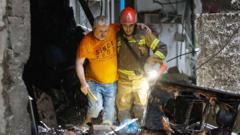
Ukraine Faces Critical Interceptor Missile Shortage
Ukraine is confronting a severe interceptor missile shortage as Russian military operations intensify across the nation. The shortage represents a significant challenge for the country's air defense capabilities, which have become increasingly strained by the volume and frequency of aerial attacks.
Massive Russian Attack on Kyiv Region
President Volodymyr Zelensky reported that Sunday's assault constituted what officials described as a "massive Russian attack" targeting the Kyiv region. The offensive involved a coordinated deployment of military assets that demonstrated the scale of the ongoing conflict.
Scale of the Military Assault
According to official statements, the Russian strike comprised 68 ballistic and cruise missiles combined with 351 unmanned aerial vehicles (UAVs), commonly referred to as strike drones. This coordinated assault represented one of the most substantial attacks undertaken during the conflict, overwhelming Ukrainian air defense systems.
Impact on Kyiv Region
The consequences of this large-scale bombardment proved devastating for civilians in the Kyiv region. Local authorities confirmed that 23 individuals lost their lives as a direct result of the strikes. The casualties underscore the humanitarian toll of sustained military operations targeting urban areas.
Air Defense Challenges and Limitations
The interceptor missile shortage has emerged as a critical vulnerability in Ukraine's ability to neutralize incoming threats. With hundreds of drones and missiles approaching simultaneously, Ukrainian air defense units struggle to maintain adequate ammunition supplies for their systems.
Demand Exceeding Supply
The volume of incoming threats consistently surpasses the quantity of available interceptors. This imbalance creates scenarios where multiple targets penetrate air defense coverage, resulting in damage to critical infrastructure and civilian areas. Military analysts emphasize that sustained defense requires matching the frequency and scale of attacks with proportional defensive capabilities.
International Support and Ammunition Supply
Ukraine has persistently appealed to Western allies for enhanced air defense systems and ammunition supplies to address the interceptor missile shortage. The nation relies on external support to maintain operational air defense networks against an adversary with significant resources.
Strategic Implications
The shortage highlights the asymmetrical nature of the conflict, where one side possesses the industrial capacity to produce missiles and drones at rates that exceed the defensive capacity of the opposing nation. This dynamic has prompted urgent diplomatic efforts and military aid discussions among NATO allies.
Civilian Casualties and Infrastructure Damage
Beyond the 23 fatalities reported in the Kyiv region, the attack resulted in widespread destruction of civilian infrastructure. Schools, hospitals, residential buildings, and energy facilities sustained damage, exacerbating existing humanitarian challenges across the region.
Long-term Consequences
Repeated attacks on infrastructure create cascading effects on civilian life, including disruptions to heating, electricity, and water supplies. Winter months prove particularly dangerous, as damage to critical infrastructure threatens public health and safety.
Ukrainian Response and Military Strategy
Despite the interceptor missile shortage, Ukrainian forces continue implementing strategic air defense measures. These include rotating defensive positions, coordinating multi-layered defense systems, and prioritizing protection of critical civilian and military targets.
Operational Adjustments
Ukrainian commanders have adapted tactics to maximize effectiveness with limited interceptor supplies. This involves enhancing coordination between different air defense units and implementing targeted defense protocols that focus resources on the most vital installations and population centers.
International Community Response
The attack and ongoing shortages have prompted responses from international partners and humanitarian organizations. Discussions continue regarding enhanced military assistance, including advanced air defense systems capable of engaging multiple targets simultaneously.
The situation underscores the critical importance of sustained international engagement and material support for nations defending against large-scale military aggression. The interceptor missile shortage remains a defining challenge in Ukraine's ongoing defensive operations.


