UK Mosques Open Doors to Combat Rising Prejudice
Over 100 British mosques welcome the public this weekend to promote understanding and challenge misconceptions about Islam and Muslim communities.
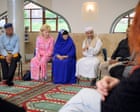
Mosques Opening Doors to Build Community Bridges
Mosques opening doors to public represents a significant step forward in countering prejudice and fostering understanding across British communities. This weekend, more than 100 mosques throughout the United Kingdom have extended invitations to members of the general public, creating opportunities for dialogue, shared meals, and genuine connection that challenge stereotypes and promote interfaith harmony.
The initiative demonstrates a remarkable commitment to openness despite the challenging environment in which many Muslim institutions operate. Rather than retreating into isolation following incidents of hostility, these religious communities are actively reaching out to build bridges with their non-Muslim neighbours and fellow citizens.
Facing Hostility Yet Choosing Engagement
The London Islamic Cultural Society exemplifies this courageous approach to community relations. The mosque has endured several distressing incidents in recent years that might have justified a more defensive posture. In one particularly troubling occurrence, a woman entered the premises and subjected worshippers to abusive language, including violent threats directed at children in Gaza. On another occasion, malicious individuals tampered with the building's gas infrastructure, reconfiguring pipes to create a dangerous accumulation of leaking gas within the structure.
Despite these experiences of targeted harassment and potential violence, the mosque leadership opted not to withdraw. Instead, they have become increasingly welcoming, recognizing that education and personal interaction represent powerful antidotes to prejudice and misunderstanding.
A National Movement for Understanding
The scale of this weekend's coordinated effort is impressive, with participating mosques located across major population centres throughout Britain. These include establishments in London, Birmingham, Sheffield, Manchester, Glasgow, Southend, and Cardiff, representing a geographically diverse cross-section of the country. This widespread participation indicates that mosque communities nationwide share a common conviction that public engagement serves their long-term interests and those of society at large.
The Format of Connection and Dialogue
Each mosque opening doors to public events follows a similar format designed to maximize comfort and facilitate genuine interaction. Visitors are welcomed into the sacred spaces where worshippers gather for prayer, educational sessions, and community activities. The experience typically includes opportunities to ask questions, learn about Islamic teachings and practices, and share meals together—a fundamental expression of hospitality in Islamic tradition.
The provision of food holds particular significance, as it removes barriers and creates informal settings conducive to conversation. Sharing a meal represents a universal language that transcends religious and cultural differences, allowing people to interact as human beings rather than through the lens of stereotypes or preconceptions.
Why These Initiatives Matter
Attacks on Muslim places of worship have demonstrated an alarming upward trend, reflecting broader concerns about safety and social cohesion. The decision by mosques to respond with openness rather than fortification sends a powerful message about British Muslim communities' commitment to integration and their confidence in the fundamental decency of their fellow citizens.
Prejudice thrives in darkness and isolation. When communities know little about one another, anxieties and misconceptions can flourish unchecked. By inviting the public into their spaces and into conversation, mosque leaders are directly addressing this dynamic. Personal encounters have consistently proven more effective than abstract arguments in changing attitudes and breaking down barriers.
Building Resilience Through Connection
These initiatives also serve to strengthen Muslim communities themselves. By demonstrating that dialogue and engagement are possible responses to hostility, mosque leaders provide their congregants with hope and purpose. Young people, in particular, benefit from seeing their elders choosing constructive engagement over defensive isolation, potentially shaping their own approaches to integration and community participation.
Mosques opening doors to public on this scale represents an investment in the social fabric of Britain. It acknowledges that Muslims are integral to British society and that mutual understanding benefits everyone. As fears and prejudices begin to fall away through these direct encounters, communities move closer to the genuine cohesion that characterises truly inclusive societies.