UK Examines Smart Glasses Curbs to Combat Covert Filming
UK government explores potential restrictions on smart glasses sales due to rising concerns about unauthorized video recording of women without consent.
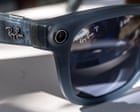
Government Addresses Smart Glasses Ban Amid Recording Concerns
The UK government is actively evaluating potential smart glasses ban measures in response to growing public concern regarding unauthorized surveillance activities. Safeguarding Minister Satvir Kaur recently disclosed during parliamentary proceedings that authorities are contemplating regulatory restrictions aimed at controlling access to this emerging technology, particularly for users with demonstrated intent to misuse the devices.
The smart glasses ban discussion has emerged as a critical policy matter following multiple reports documenting incidents where individuals have utilized augmented reality eyewear to record women covertly. These devices, which seamlessly integrate recording capabilities into everyday eyewear, have created significant vulnerabilities in personal privacy protection, prompting lawmakers to reconsider their current regulatory framework.
The Growing Issue of Unauthorized Video Recording
Concerns surrounding covert filming technology have intensified as smart glasses become increasingly accessible to mainstream consumers. These sophisticated devices can capture high-definition video footage through discreet lenses, making detection extremely challenging for potential victims. The technology's minimal visibility compared to traditional cameras creates an asymmetrical power dynamic that disproportionately affects women in public and private spaces.
Law enforcement agencies across the United Kingdom have documented escalating incidents where smart glasses have facilitated non-consensual recording. Victims often remain unaware they are being filmed until footage surfaces online or through other channels. This invasive use of technology has galvanized public discourse around the necessity for stricter governmental oversight and protective legislation.
Proposed Regulatory Measures and Implementation Strategy
Minister Kaur's parliamentary statement suggests the government is considering a multifaceted approach to address this challenge. Rather than implementing an outright prohibition on smart glasses technology, officials are exploring targeted restrictions on sales and distribution channels. The proposed framework would identify high-risk user categories and implement verification procedures before completing transactions.
The regulatory strategy reportedly aims to balance innovation encouragement with robust consumer protection. This measured approach acknowledges the legitimate applications of smart glasses across medical, industrial, and research sectors while simultaneously establishing safeguards against malicious exploitation. Implementation would require cooperation between retailers, manufacturers, and law enforcement agencies to establish consistent standards across the nation.
Women's Safety and Consent Protection
The impetus for investigating potential smart glasses ban mechanisms stems fundamentally from women safety concerns surrounding non-consensual imagery. Civil liberties organizations and feminist advocacy groups have maintained consistent pressure on government officials to address privacy violations enabled by recording technology. These organizations emphasize that without intervention, smart glasses technology will facilitate unprecedented levels of routine surveillance affecting women's freedom of movement and personal security.
Current legislation addressing unauthorized recording primarily focuses on traditional cameras and video equipment. However, smart glasses circumvent many existing legal protections due to their design and subtle integration into personal accessories. Legal experts argue that technological advancement has outpaced regulatory frameworks, creating dangerous gaps in protection against digital abuse and harassment.
Stakeholder Perspectives and Industry Response
Technology manufacturers have expressed concerns about potential restrictions that could impede innovation and market development. Industry representatives contend that smart glasses technology offers substantial benefits across education, healthcare, and professional applications. They argue that focused enforcement of existing consent-based recording laws would adequately address misuse without blanket restrictions affecting legitimate users and developers.
Meanwhile, victim advocacy organizations emphasize the urgency of implementing stronger controls. These groups highlight that manufacturers have demonstrated limited commitment to integrating privacy protections voluntarily, necessitating government intervention to establish minimum standards. The disconnect between technological capability and protective regulations has created an enforcement vacuum that continues enabling exploitation.
Legislative Timeline and Future Considerations
While specific implementation timelines remain uncertain, parliamentary discussions indicate this matter has achieved significant priority status within government deliberations. The proposed framework would likely undergo consultation periods involving stakeholders, affected communities, and technical experts before final legislation reaches parliament for formal debate and potential passage.
Policymakers recognize that addressing unauthorized video recording through smart glasses requires comprehensive solutions extending beyond sales restrictions. Public awareness campaigns, updated consent laws, technological safeguards built into devices, and enhanced enforcement mechanisms will collectively comprise an effective protective strategy. The government's evaluation of this complex policy challenge demonstrates commitment to adapting legal frameworks as technology evolves and creates novel forms of privacy invasion.