
Trump Warns of Strikes on Iran's Critical Infrastructure Over Hormuz Threats
Donald Trump threatens targeted military action against Iranian bridges and power plants if attacks on vessels in Strait of Hormuz continue. US defense response escalates regional tensions.
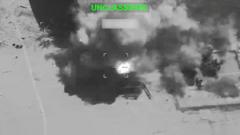
Trump Escalates Rhetoric on Iranian Threats in Strategic Waterway
Former US President Donald Trump has issued a stark warning regarding potential military action against Iran's critical infrastructure, signaling that Trump Iran Hormuz threats represent a red line for American interests. The statement comes amid heightened tensions surrounding maritime security in one of the world's most vital shipping corridors, where energy supplies flow to global markets.
Trump has made clear that any continuation of hostile actions by Iranian forces against commercial and military vessels transiting the Strait of Hormuz will trigger a comprehensive American response targeting vital Iranian infrastructure, including power generation facilities and bridge networks essential to the country's transportation systems.
The Strait of Hormuz: A Critical Chokepoint Under Pressure
The Strait of Hormuz remains one of the most strategically important maritime passages globally, with approximately one-third of seaborne oil trading flowing through its narrow waters daily. This critical geographic location has become an increasingly volatile flashpoint, with multiple incidents involving Iranian vessels and foreign ships escalating tensions between Tehran and Western nations, particularly the United States.
The Iranian government has previously conducted drills and operations in these waters that have been perceived as threatening by international shipping interests and Western militaries. Trump's warning represents an effort to establish clearer boundaries regarding acceptable behavior in this contested region.
US Military Response Strategy and Deterrence
The Trump Middle East policy approach emphasizes strong deterrence through credible military threats backed by demonstrated capabilities. Historical precedent shows that previous administrations have occasionally targeted Iranian military installations and leadership when faced with direct threats to American interests or personnel.
Trump's statement appears designed to establish a preemptive deterrent, making clear that any Iranian aggressive actions would invite consequences far beyond localized naval confrontations. By explicitly naming infrastructure targets, the warning aims to impose strategic costs that extend beyond immediate military engagements.
Iran's Position and Regional Dynamics
Iranian leadership has consistently maintained that the nation possesses the right to defend its territorial waters and assert influence in its regional waters. The Islamic Revolutionary Guard Corps (IRGC) Navy has conducted numerous operations in the Strait, which Tehran views as legitimate exercises of sovereignty.
However, Western nations interpret certain Iranian actions as provocative and destabilizing. This fundamental disagreement over acceptable maritime behavior creates ongoing potential for escalation, with each side viewing the other's actions through distinct security frameworks and strategic objectives.
Implications for Global Shipping and Energy Markets
Any military confrontation in the Strait of Hormuz would have immediate ripple effects throughout global energy markets. Insurance costs for vessels transiting the region would skyrocket, shipping companies would seek alternative routes or delay operations, and oil prices would likely surge due to supply uncertainty.
Trump's warning about Strait of Hormuz security underscores the potential economic consequences of military escalation. International maritime authorities and energy companies monitor tensions in this region with acute sensitivity, given the economic stakes involved for global commerce and energy security.
International Community Response
Global powers have expressed varying degrees of concern about escalating rhetoric regarding Iranian infrastructure attacks. European nations have historically attempted to mediate tensions between the US and Iran, while Asian countries remain focused on maintaining stable access to Hormuz shipping lanes essential for their energy needs.
The international business community watches these developments closely, as uncertainty about shipping safety directly impacts supply chains, insurance rates, and investment decisions across multiple sectors dependent on reliable Middle Eastern energy supplies.
Historical Context of US-Iran Tensions
The confrontational stance outlined in Trump's recent statement reflects longstanding tensions rooted in decades of diplomatic estrangement and military posturing. Previous administrations have deployed naval forces to the region, conducted targeted strikes against Iranian military assets, and implemented economic sanctions to pressure Tehran's behavior.
Understanding this historical backdrop helps contextualize current warnings as part of a broader pattern of American efforts to contain Iranian regional influence and protect perceived vital interests in the Middle East.
Forward Outlook and De-escalation Possibilities
Despite Trump's hardline rhetoric, diplomatic channels theoretically remain available for both sides to reduce tensions through negotiated agreements or mutual understanding of red lines. However, current trajectory suggests heightened military readiness and closer monitoring of Iranian activities in contested waters.
The situation remains fluid, with potential for either further escalation or diplomatic breakthrough depending on how Iranian leadership responds to these warnings and whether international mediators attempt engagement.


