
Trump Shapes NATO's European Rearming Strategy Amid Tensions
Trump's controversial stance influences NATO's critical approach to strengthening European defense capabilities and military readiness in response to regional threats.
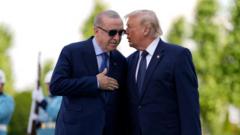
Trump's Influence on NATO's Defense Agenda
As NATO convenes to address critical security matters, Trump's position regarding European defense spending has become a defining factor in shaping the alliance's strategic direction. The U.S. president's remarks continue to cast a significant shadow over discussions about strengthening military capabilities across the continent, creating both challenges and urgency for member nations seeking to bolster their defensive posture.
Trump's repeated calls for increased European military investment have added complexity to NATO's already demanding agenda. While intended to encourage greater self-reliance among allied nations, these pronouncements have generated considerable debate about the future of transatlantic security cooperation and the financial commitments required from each member state.
Navigating Challenging Waters at a Pivotal Gathering
The security landscape facing the alliance requires unprecedented coordination and resolve. At this crucial gathering, NATO leaders must reconcile competing priorities while maintaining the appearance of unity essential for credible deterrence. However, Trump's inflammatory rhetoric has repeatedly disrupted careful diplomatic messaging, introducing uncertainty into discussions that demand clarity and consensus.
According to Security Correspondent Frank Gardner, the U.S. president's words have consistently punctuated efforts to project a unified front. Member states find themselves navigating the delicate balance between acknowledging American security concerns and protecting their own strategic interests. This dynamic has created a complex negotiating environment where traditional alliance relationships are being reassessed.
European Defense Spending and Military Modernization
The imperative for European nations to increase defense expenditures has never been more acute. Trump's pressure on NATO members to meet or exceed the two-percent-of-GDP spending target has accelerated military procurement decisions across the continent. Countries are now fast-tracking weapons systems, modernizing aging equipment, and expanding personnel in response to both external threats and internal political pressure from Washington.
This accelerated rearming process presents logistical and financial challenges. Defense budgets are expanding significantly, with nations allocating unprecedented resources to procurement, research and development, and personnel training. The European defense industry is simultaneously experiencing increased demand, creating opportunities for domestic manufacturers while straining supply chains globally.
Tensions Within the Alliance Structure
The friction introduced by Trump's controversial positions threatens the cohesion traditionally maintained within NATO. While burden-sharing discussions are legitimate, the manner and timing of public criticisms have complicated diplomatic efforts. European leaders must manage domestic political reactions to American pressure while simultaneously addressing genuine security concerns in their own regions.
Trump's unpredictable approach to alliance management has forced NATO members to develop contingency plans and diversify their security partnerships. Some nations are exploring enhanced cooperation with regional powers, strengthening bilateral defense relationships, and investing in technological capabilities that could reduce future dependence on American security guarantees.
Strategic Implications for European Security
Despite the tensions, Trump's pressure has inadvertently accelerated European strategic autonomy efforts. The uncertain nature of American commitment to NATO has motivated member states to invest more heavily in indigenous defense capabilities. This long-term shift could fundamentally alter the balance of military power within the alliance and reshape transatlantic security arrangements.
NATO's response must balance addressing the legitimate security concerns raised while maintaining the diplomatic frameworks essential for collective defense. The alliance's credibility depends on demonstrating that member states can navigate disagreements without fragmenting their core commitments to mutual defense obligations.
Looking Ahead: Reconciling Differences and Strengthening Resolve
As discussions continue regarding European defense capabilities and military investment, NATO faces the challenge of transforming Trump's pressure into constructive outcomes. Member states are demonstrating increased commitment to defense spending, modernization initiatives, and operational readiness. The alliance must channel this momentum into sustainable improvements rather than short-term reactions driven by political uncertainty.
Moving forward, NATO's success will depend on clear communication, realistic timelines for military development, and sustained commitment from all member states. While Trump's rhetoric continues to shape the conversation around European rearming, the fundamental imperative remains unchanged: creating a credible, capable, and unified defensive posture that deters aggression and protects alliance members from emerging threats.


