
Trump Links Saudi Nuclear Energy Deal to Israel Recognition
Trump ties US nuclear energy agreement with Saudi Arabia to recognition of Israel and Abraham Accords membership in landmark diplomatic initiative.
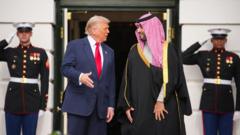
Trump Ties Saudi Nuclear Energy Deal to Israel Recognition
The United States president has made it explicitly clear that the transformative Saudi nuclear deal Israel connection represents a cornerstone of his administration's Middle East strategy. According to Trump's recent statements, Saudi Arabia's participation in the landmark agreement to develop nuclear energy capabilities remains contingent upon the kingdom's willingness to join the Abraham Accords and formally recognize the Israeli state.
The Nuclear Energy Framework
The proposed agreement aims to facilitate Saudi Arabia's advancement in civilian nuclear technology, positioning the kingdom as a regional leader in sustainable energy development. This Saudi nuclear deal Israel arrangement represents one of the most significant diplomatic developments in recent Middle Eastern affairs. The initiative encompasses comprehensive technical cooperation and security provisions designed to ensure responsible nuclear energy development while maintaining international safeguards and non-proliferation standards.
Abraham Accords as Prerequisite
Trump emphasized that Saudi Arabia's integration into the Abraham Accords framework serves as a fundamental requirement for proceeding with nuclear cooperation. The Abraham Accords, initially established through agreements between Israel and the United Arab Emirates, as well as Bahrain, have evolved into a broader diplomatic architecture aimed at normalizing relations across the region. By linking the Saudi nuclear deal Israel arrangements to Abraham Accords participation, the administration seeks to accelerate regional peace initiatives while simultaneously advancing strategic partnerships.
Strategic Implications
The conditional nature of this nuclear energy proposal reflects broader geopolitical calculations. For Saudi Arabia, the decision presents a complex balancing act between gaining access to advanced nuclear technology and responding to regional sensibilities regarding Israel relations. The potential nuclear agreement would provide significant economic and energy security benefits, allowing the kingdom to diversify its energy portfolio beyond petroleum dependence.
For the United States, linking these agreements demonstrates a strategic approach to reshaping Middle Eastern alignments. By conditioning nuclear cooperation on the Abraham Accords membership, Washington amplifies the diplomatic pressure on Riyadh to take a formal stance on Israeli recognition.
Regional Diplomatic Dynamics
The proposal has generated considerable discussion among regional stakeholders. Various Middle Eastern nations view the connection between nuclear development and Israel recognition through different lenses. Some observers argue that coupling these issues accelerates meaningful peace initiatives, while others contend that conditioning economic and technological benefits may create resistance among populations with historical grievances.
Saudi Arabia's response to this diplomatic proposition carries significant weight throughout the Gulf Cooperation Council and wider Arab League structures. The kingdom's decision would likely influence how other nations approach similar negotiations regarding nuclear cooperation and regional normalization agreements.
International Nuclear Considerations
The International Atomic Energy Agency and various international bodies have established comprehensive frameworks governing civilian nuclear technology transfers. Any Saudi nuclear deal Israel arrangement would require compliance with these established protocols, including inspections, safety assessments, and non-proliferation commitments. The United States, as the proposed nuclear technology provider, must navigate these international requirements while pursuing its diplomatic objectives.
Trump's approach integrates nuclear development with broader Middle East policy objectives, leveraging technological access as diplomatic currency. This strategy reflects a calculated effort to reshape regional political alignments through interconnected agreements addressing security, energy, and diplomatic recognition simultaneously.
Future Negotiations
Moving forward, diplomatic channels remain active regarding the specific terms and conditions of potential nuclear cooperation. The administration continues emphasizing that Abraham Accords membership represents a non-negotiable component of any nuclear agreement framework. Saudi officials have engaged in ongoing discussions about balancing technological advancement aspirations with domestic political considerations.
The outcome of these negotiations will likely establish precedents for future regional initiatives. Should Saudi Arabia accept the proposed conditions, it would mark a significant realignment in Middle Eastern geopolitical structures. Conversely, if negotiations stall, it may indicate the limits of economic and technological incentives in reshaping regional diplomatic relationships.
Conclusion
The Trump administration's linkage of the Saudi nuclear deal Israel recognition requirement through Abraham Accords membership represents a multifaceted diplomatic strategy. By conditioning nuclear cooperation on formal Israeli recognition, the United States seeks to simultaneously advance energy development goals and regional normalization objectives. Saudi Arabia now faces a consequential decision that will influence not only bilateral relations but broader Middle Eastern diplomatic trajectories for years to come.


