
Trump Issues Attack Threats to Iran Over Hezbollah Activities
Trump threatens military action against Iran amid negotiations in Switzerland regarding Hezbollah's activities in Lebanon. Latest diplomatic tensions revealed.
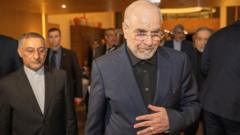
Trump Issues Direct Warnings to Iran Leadership
Trump Iran threats have escalated significantly as diplomatic negotiations continue in Switzerland. The US president, despite his absence from the talks, has issued explicit warnings to Iran regarding its support for Hezbollah operations in Lebanon. These stern communications represent a critical moment in ongoing discussions between American and Iranian representatives.
The warning delivered by Trump centers on Iran's alleged funding and military backing of Hezbollah, a Lebanon-based militant organization designated as a terrorist entity by the United States and several allied nations. Trump has made clear that failure to substantially reduce Iran's support for the group could result in direct military intervention by American forces.
Negotiations Continue in Swiss Capital
While Trump remains in the United States, official representatives are engaged in substantive discussions in Switzerland. The talks represent an attempt to establish common ground on critical regional security matters, particularly concerning the Middle Eastern balance of power and proxy conflicts.
Iran's lead negotiator has responded to Trump's threats with countering statements, emphasizing his nation's sovereign right to support regional partners and questioning the legitimacy of American ultimatums. These reciprocal warnings underscore the deep mistrust characterizing current US-Iran relations and the fragile nature of the ongoing dialogue.
Hezbollah's Role in Regional Conflict
Hezbollah's activities in Lebanon have long been a point of contention between the United States and Iran. The organization operates both as a political party with parliamentary representation and as an armed militia, making its status and operations extraordinarily complex from diplomatic and security perspectives.
Recent escalations in Hezbollah-led military operations have prompted increased concern among American officials and regional allies, particularly Israel. The organization maintains significant military capabilities, including an extensive arsenal of rockets and advanced weaponry, much of which is believed to originate from Iranian sources.
American Military Posture in the Region
Trump's threats of military action carry substantial weight given the United States military presence throughout the Middle East. American naval forces, air assets, and ground troops are positioned across multiple regional locations, providing immediate capacity for rapid response operations against Iranian interests or Iranian-backed militias.
Previous administrations have demonstrated willingness to conduct targeted military strikes against Iranian officials and facilities, establishing a precedent that lends credibility to Trump's current warnings. However, full-scale military operations against Iran would represent a dramatic escalation with unpredictable consequences for global stability and energy markets.
International Diplomatic Response
European nations participating in the Swiss talks have urged restraint from both parties while emphasizing the importance of sustained diplomatic engagement. Mediators hope that continued dialogue might reduce tensions and create pathways toward addressing underlying security concerns through negotiated settlements rather than military confrontation.
The involvement of neutral Switzerland as a venue for these discussions reflects international recognition of the need for diplomatic channels that allow serious negotiations without either side perceiving disadvantage or loss of face among domestic audiences.
Historical Context of US-Iran Relations
Current tensions echo decades of contentious relationships between Washington and Tehran, including the 1979 Iranian Revolution, the subsequent hostage crisis, multiple rounds of sanctions, and previous military confrontations. Trump himself withdrew the United States from the Joint Comprehensive Plan of Action (JCPOA), the nuclear agreement negotiated by the Obama administration, significantly complicating contemporary diplomatic efforts.
The reimposition of comprehensive American sanctions following that withdrawal severely damaged Iran's economy and reduced its access to international banking and trade networks, creating additional grievances that complicate current negotiations.
Prospects for De-escalation
Whether Trump's threats will incentivize Iranian compliance or instead harden Tehran's negotiating position remains uncertain. Historical precedent suggests that public ultimatums can sometimes entrench positions rather than encourage compromise, as nations face domestic pressure to appear strong before their own populations.
Successful resolution of current tensions would require both sides to find face-saving compromises regarding Iran's regional activities, acceptable limitations on militant group financing, and verifiable mechanisms for monitoring compliance with any agreements reached.


