
Trump Implements 15% Tariff on Critical Semiconductor Materials to Curb Chinese Competition
Trump announces 15% tariff on essential chip materials amid growing concerns over China's semiconductor industry dominance. Analysis of impact on US tech firms.
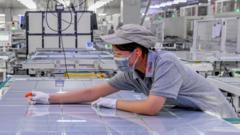
Trump's Strategic Tariff Decision on Semiconductor Materials
The United States has implemented a significant 15% tariff on chip materials as part of a broader effort to shield American technology manufacturers from intensifying competitive pressures originating from China's rapidly expanding semiconductor sector. This protectionist measure represents a crucial intervention in the evolving trade dynamics between the two economic superpowers.
The imposition of the 15% tariff on chip materials comes at a critical juncture when domestic semiconductor companies are confronting unprecedented challenges from Chinese competitors. This tariff strategy seeks to create a more level playing field for American firms by increasing the cost of imported components and encouraging domestic production and innovation.
Background and Economic Context
China has emerged as a formidable force in the global semiconductor supply chain, investing heavily in manufacturing capabilities and research initiatives. American technology firms have consistently voiced concerns about their ability to compete with state-subsidized Chinese enterprises that benefit from government support and lower production costs. The implementation of tariffs on critical chip materials directly addresses these competitive imbalances.
Semiconductor materials serve as the foundation for virtually all modern electronic devices, from smartphones to advanced computing systems. By imposing a 15% tariff on chip materials, the administration aims to incentivize American companies to invest in domestic production facilities and reduce their dependence on imported materials.
Impact on American Semiconductor Companies
Domestic chip manufacturers stand to benefit substantially from this protectionist approach. The 15% tariff on chip materials is expected to increase production costs for foreign suppliers, making American-manufactured components more competitive on price and quality metrics. Established tech corporations have advocated for such measures, arguing that without government intervention, they cannot maintain technological leadership against well-capitalized Chinese rivals.
The tariff structure also encourages investment in domestic research and development facilities. By making imported materials more expensive, American firms face stronger financial incentives to develop alternative sourcing strategies and establish robust supply chains within national borders.
Strategic Importance of Semiconductor Independence
Semiconductor manufacturing represents one of the most strategically important industries for national security and economic competitiveness. The push to implement a 15% tariff on chip materials reflects broader recognition that semiconductor supply chain independence is essential for maintaining technological superiority and protecting sensitive defense applications.
China's substantial investments in semiconductor technology have raised concerns among American policymakers about potential supply chain vulnerabilities. The tariff initiative represents a calculated response designed to accelerate the domestication of critical production capabilities while simultaneously protecting existing American manufacturers from predatory pricing strategies employed by competitors with government backing.
Global Trade Implications
The 15% tariff on chip materials carries significant implications for international trade relationships and global supply chains. Countries that export semiconductor materials to the United States may face reduced demand or seek alternative markets, potentially reshaping global commerce patterns in the technology sector. However, proponents argue that protecting American interests justifies these broader trade adjustments.
The measure demonstrates a strategic commitment to prioritizing national economic interests over free trade principles in sectors deemed critical to national security and technological leadership. This approach aligns with broader administration policies aimed at reshaping trade relationships with strategic competitors.
Industry Response and Future Outlook
Semiconductor industry stakeholders have responded with cautious optimism to the announcement of the 15% tariff on chip materials. While some express concerns about potential cost increases in the short term, many recognize that strengthened domestic manufacturing capabilities could provide long-term competitive advantages. The tariff is positioned as an investment in American technological independence and economic resilience.
Looking forward, the implementation of this tariff structure may catalyze significant shifts in how American companies approach their supply chains and manufacturing strategies. As Chinese competition continues intensifying, the protection afforded by this 15% tariff represents an important first step toward establishing more sustainable and secure semiconductor production ecosystems within the United States.


