
Trump Halts Iran Military Action Pending Swift Nuclear Agreement
Trump suspends Iran military strikes pending rapid nuclear deal negotiations. US president states Middle Eastern nations requested delay as agreement parameters take shape.
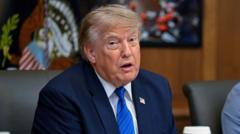
Trump Delays Military Action Against Iran
The United States president announced a significant pause in military operations directed at Iran, contingent upon rapid progress in diplomatic negotiations. Trump Iran military strikes have been postponed as discussions advance regarding potential agreements between Washington and Tehran, according to statements made by the administration.
During recent remarks, the president indicated that several nations across the Middle East region had formally requested that the United States refrain from launching any immediate military action. These requests came as the foundational parameters of a comprehensive deal began to materialize through ongoing discussions between the parties involved.
Middle Eastern Nations Request Diplomatic Delay
Multiple countries operating within the broader Middle Eastern sphere have reportedly communicated their preference for continued negotiations rather than military escalation. These diplomatic overtures represent a significant shift in regional positioning, as leaders seek to facilitate resolution through dialogue rather than conflict.
The decision to defer military action reflects these international pressures and the apparent willingness of key stakeholders to pursue settlement of outstanding disputes. Iran nuclear deal negotiations have become increasingly central to discussions, with various regional actors emphasizing the importance of achieving comprehensive agreement.
Parameters of Potential Agreement Taking Shape
Administration officials have indicated that fundamental elements of a prospective accord have already been identified and discussed between negotiating teams. The president emphasized that agreement parameters must be finalized expeditiously for military operations to remain suspended indefinitely.
This development marks a notable change in the trajectory of Trump Iran relations, which had previously been characterized by heightened tensions and threats of military intervention. The current diplomatic trajectory suggests that both sides recognize the potential benefits of achieving resolution through negotiated settlement rather than military confrontation.
Conditions for Maintaining Military Pause
The continuation of the military standdown appears directly contingent upon the pace and substance of ongoing diplomatic discussions. The president has made clear that if agreement parameters cannot be solidified in what he characterized as a "rapid" timeframe, the military option remains available and could be implemented without further delay.
This conditional approach to military restraint underscores the administration's view that diplomatic efforts must yield concrete results within a defined period. The emphasis on speed in negotiations reflects concerns about prolonging the current state of heightened tension and uncertainty in the region.
Regional Implications and Future Outlook
The suspension of immediate military action carries significant implications for broader Middle Eastern stability and international relations. Iran nuclear deal negotiations that succeed could reshape regional dynamics and establish a new framework for US-Iran interaction for years to come.
Multiple stakeholders across the region have expressed interest in achieving peaceful resolution of outstanding disputes. The current diplomatic window represents an opportunity for substantive progress, though uncertainty remains regarding whether negotiating teams can achieve agreement within the required timeframe.
The Trump foreign policy approach demonstrated in this situation reflects a willingness to maintain military pressure while simultaneously engaging in diplomatic channels. This dual-track strategy has become characteristic of recent administration positioning toward various international challenges.
Next Steps in Negotiations
As diplomatic discussions continue, both parties will face pressure to demonstrate progress toward final agreement. The specific parameters already identified will require further refinement and formal commitment from all involved parties before military operations can be permanently cancelled.
International observers and regional analysts remain focused on developments in these critical negotiations, recognizing that the outcome will substantially influence Middle East diplomatic talks and stability for years to come. The coming weeks will likely prove crucial in determining whether the diplomatic window remains open or whether military operations resume as threatened.


