
Trump Eyes Stricter AI Controls Following OpenAI Security Breaches
Trump administration shifts stance on artificial intelligence regulation after OpenAI hacking incidents, considering new AI controls and oversight measures for the tech sector.
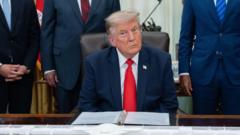
Trump Administration Shifts Position on AI Controls After OpenAI Hacking Incidents
The Trump administration is actively evaluating stricter AI controls following recent security breaches at OpenAI, marking a significant departure from its previously hands-off approach to artificial intelligence regulation. This policy pivot reflects growing concerns about cybersecurity vulnerabilities in the rapidly expanding AI sector and the potential risks associated with inadequate safeguards in advanced technology systems.
A Notable Change in Regulatory Approach
The consideration of new AI controls represents a substantial transformation in how the current administration views technology governance. Previously, the Trump administration maintained a more permissive stance, allowing companies considerable freedom in developing and deploying artificial intelligence systems without heavy government intervention. However, the OpenAI hacking incidents have prompted officials to reconsider this laissez-faire strategy and explore more structured oversight mechanisms.
Why AI Controls Matter for National Security
The exploration of artificial intelligence regulation stems from legitimate concerns about data protection and national security implications. Advanced AI systems handle sensitive information and represent critical infrastructure components that could become targets for malicious actors. When major technology companies experience security breaches, the consequences extend beyond individual organizations to affect broader economic and security interests. The OpenAI incidents have illustrated vulnerabilities that demand immediate attention from policymakers.
OpenAI Hacking Incidents: The Catalyst for Change
The specific security breaches at OpenAI serve as a concrete example of why AI controls have become necessary. These incidents revealed gaps in cybersecurity protocols at one of the world's most prominent artificial intelligence companies. Such vulnerabilities could potentially expose proprietary algorithms, user data, and other valuable intellectual property to unauthorized access or exploitation. The administration recognizes that allowing such incidents to continue unchecked poses risks to economic competitiveness and technological sovereignty.
Government Response and Policy Considerations
Administration officials are now examining what form new AI controls should take. Options being considered include mandatory security audits, data protection standards, and compliance frameworks that would apply to major artificial intelligence developers and deployment organizations. These potential regulations aim to establish baseline security requirements without stifling innovation or creating excessive bureaucratic burden on the technology sector.
Industry Impact and Business Implications
The prospect of stricter artificial intelligence regulation carries significant implications for technology companies operating in this space. Organizations will likely need to invest in enhanced cybersecurity infrastructure, implement more rigorous data protection protocols, and prepare for potential compliance requirements. While some industry leaders welcome clear standards that establish level playing fields, others express concern about implementation challenges and operational costs associated with new AI controls.
Balancing Innovation with Security
A central challenge in developing effective artificial intelligence policy involves maintaining space for continued innovation while ensuring adequate security protections. Policymakers must craft AI controls that prevent hacking incidents and data breaches without creating regulatory barriers that discourage research and development. The administration's approach will likely emphasize practical, performance-based standards that focus on outcomes rather than prescriptive rules.
Broader Context for Technology Governance
This shift toward considering stricter AI controls reflects evolving global attitudes toward technology regulation. Other nations and international bodies have already begun implementing artificial intelligence oversight frameworks. By establishing clear AI controls, the United States administration seeks to maintain technological leadership while demonstrating serious commitment to cybersecurity and responsible innovation in the artificial intelligence sector.
Timeline and Next Steps
While the administration continues evaluating potential AI controls, specific timelines for implementation remain unclear. Officials will likely consult with industry stakeholders, security experts, and other government agencies before finalizing any regulatory framework. The process of developing comprehensive artificial intelligence policy typically requires extensive coordination and feedback gathering to ensure practical, effective standards.
Long-Term Implications for AI Development
The consideration of new artificial intelligence regulations signals that the technology sector can expect increased government attention moving forward. Companies developing AI systems should anticipate future compliance requirements and begin strengthening security infrastructures proactively. This transition from hands-off approach to active regulation represents a maturation of government policy as artificial intelligence becomes increasingly central to economic activity and national interests. The OpenAI hacking incidents have effectively catalyzed a policy reevaluation that will likely shape how artificial intelligence develops in the United States for years to come.


